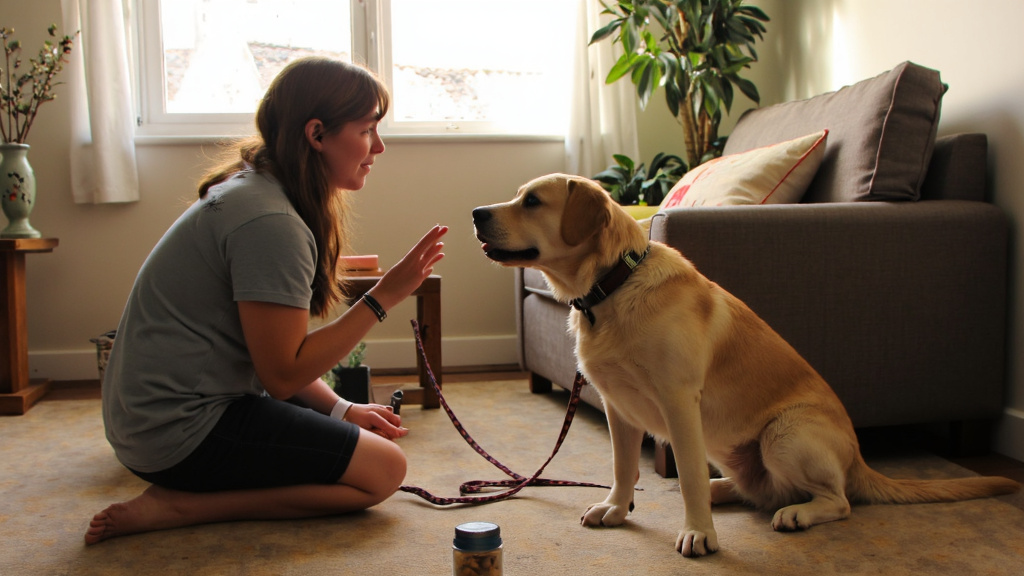
Every new dog owner eventually faces a moment of frustration—whether it is a puppy nipping at heels or an adult dog ignoring a recall command. However, dog training at home does not require professional certification; it simply requires the right approach. By combining consistent routines with modern tools like the Halo Collar, you can transform chaotic moments into opportunities for connection.
The Foundations of Successful DIY Training
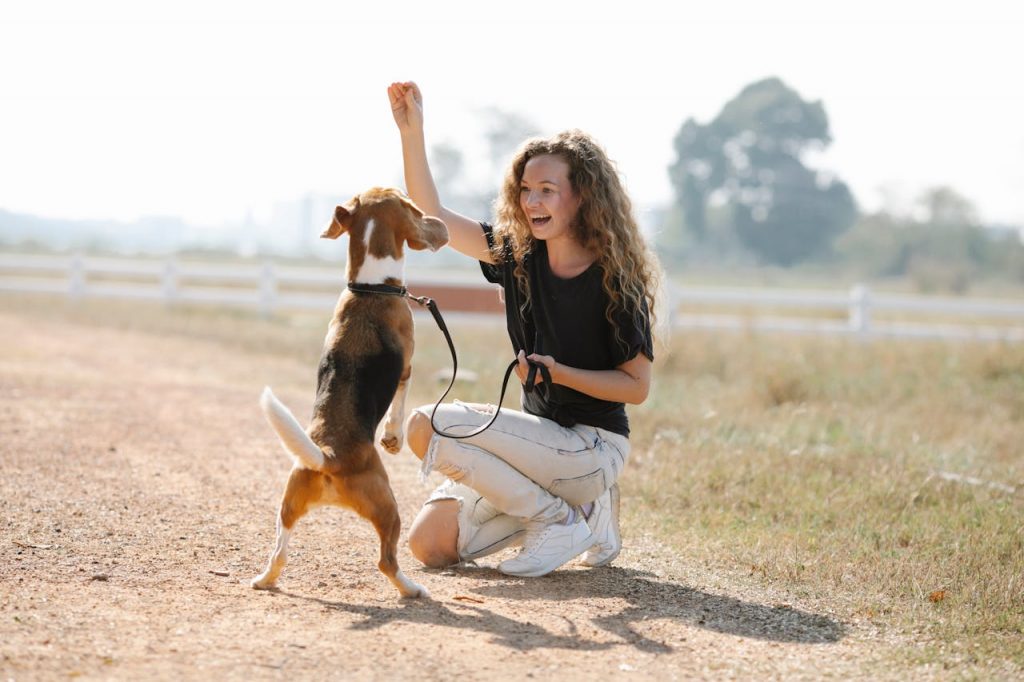
Successful training begins with your mindset. Dogs do not learn through force; they learn through patterns and consequences.
The two pillars of at-home training are patience and consistency. If you change the rules—allowing on the couch one day but forbidding it the next—your dog will never learn. To succeed, you must create a predictable environment where “yes” and “no” always mean the same things.
Creating the Right Environment
Start your training in a “low-distraction” zone. A quiet living room with no television or other pets is ideal. If you attempt to teach a new command at the dog park, the environment will compete for your dog’s attention, setting you both up for failure. Only move to busier environments once your dog masters the command in silence.
The Power of Positive Reinforcement
Positive reinforcement is the scientific standard for teaching new behaviors. This involves marking a desired action with a reward—a treat, a toy, or affection—the instant it happens. This builds trust and encourages the dog to offer the behavior again. Conversely, punishment-based methods often induce fear, which shuts down the learning center of the brain and damages your bond.
Essential Gear for Home Training
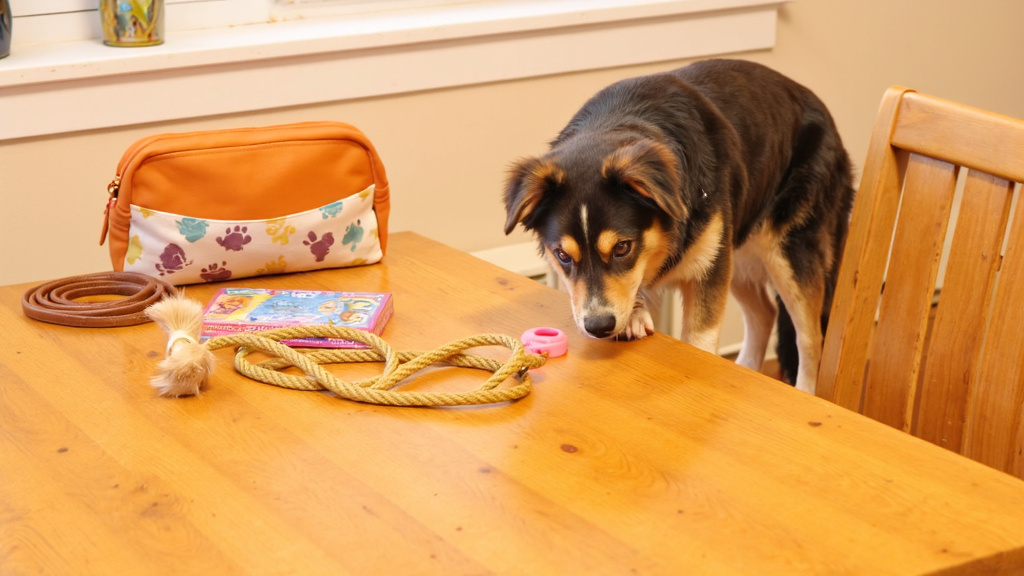
Before you begin, gather the right tools. Having equipment ready prevents fumbling, which can break your dog’s focus.
High-Value Rewards and Clickers
Kibble often isn’t enough for new lessons. Use “high-value” treats like small pieces of chicken or cheese that your dog only gets during training. Many trainers also utilize a clicker—a small device that makes a sharp sound. The click marks the exact moment of success (like a butt hitting the floor), followed immediately by a treat. This precision helps the dog understand exactly what earned the reward.
Leash Management Tools
You will need two types of leads. A standard 6-foot leash is necessary for teaching control and heeling. A long line (15 to 30 feet) is essential for practicing distance work and recall safely. This allows the dog to feel free while ensuring you maintain control if they decide to chase a squirrel.
Mastering Basic Commands Step-by-Step
Focus on the “Big Three” commands that ensure safety and manageability: Sit, Come, and Place.
The Lure-Reward Method for “Sit”
To teach “sit,” hold a treat just above your dog’s nose and slowly move it backward over their head toward their tail. As their nose goes up to follow the treat, their hips will naturally lower. The moment their bottom touches the ground, mark it with “Yes!” or a click, and release the treat. Repeat this 5 to 10 times per session until the motion becomes fluid, then add the verbal cue “Sit.”
Building a Reliable Recall
The “Come” command is a safety critical skill. Start indoors with your dog on a leash. Back away excitedly, saying “Come!” When they catch you, throw a party—lots of treats and praise. Never call your dog to you for something unpleasant, like a bath or nail trim, as this poisons the command. The reward for coming to you must always be better than the distraction they left.
The “Place” Command for Calmness
Teaching your dog to go to a specific mat or bed is invaluable for controlling jumping when the doorbell rings. Lure your dog onto the bed, reward them, and then use a release word like “Free” to let them off. Gradually increase the time they must stay on the bed before being released. This builds impulse control.
Building a Daily Training Schedule
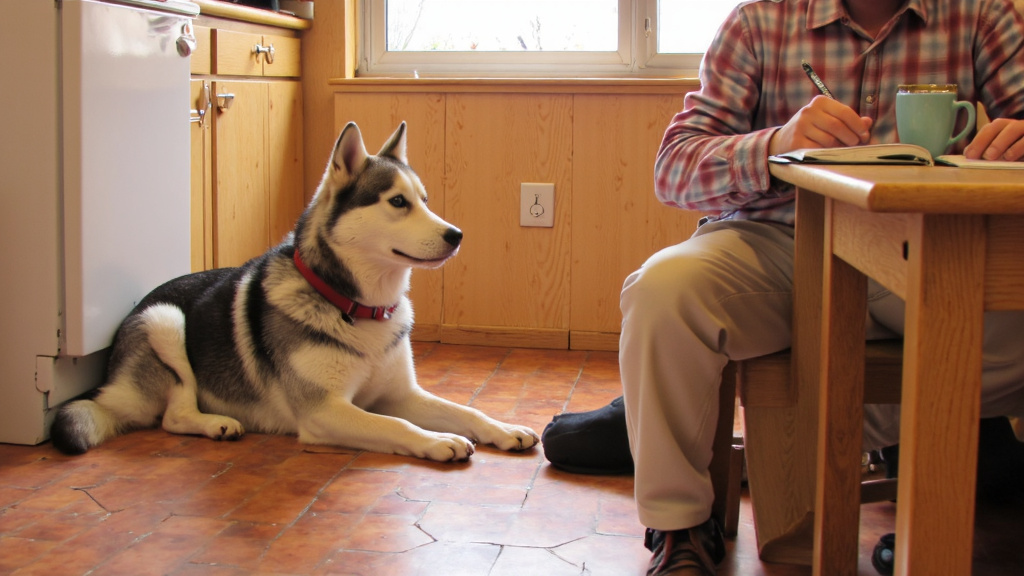
The secret to training is that it shouldn’t happen only during “training sessions.” Dogs learn best when lessons are woven into their daily life. This “lifestyle training” creates a dog that listens all day, not just when you are holding a treat bag.
Mealtime as Training Time
Your dog is most motivated when hungry. Use breakfast and dinner to reinforce impulse control. Ask for a “Sit” and “Wait” before placing the bowl down. This teaches the dog that calm behavior unlocks resources, preventing the chaotic jumping often seen at feeding time.
Walks and Play
Every walk is a training opportunity. Stop randomly and ask for a “Sit” at curbs to reinforce focus. During games of fetch, practice “Drop It” before throwing the ball again. If they don’t drop it, the game stops. They quickly learn that cooperation makes the fun continue.
| Time of Day | Activity | Skill Focus |
|---|---|---|
| Morning | Pre-Breakfast | “Sit” and “Wait” (Impulse Control) |
| Midday | Daily Walk | “Heel” and Auto-Sit at curbs |
| Afternoon | Play Session | “Drop It” and “Come” (Recall) |
| Evening | Relaxation | “Place” (Settling down while family relaxes) |
How Smart Collars Elevate Home Training
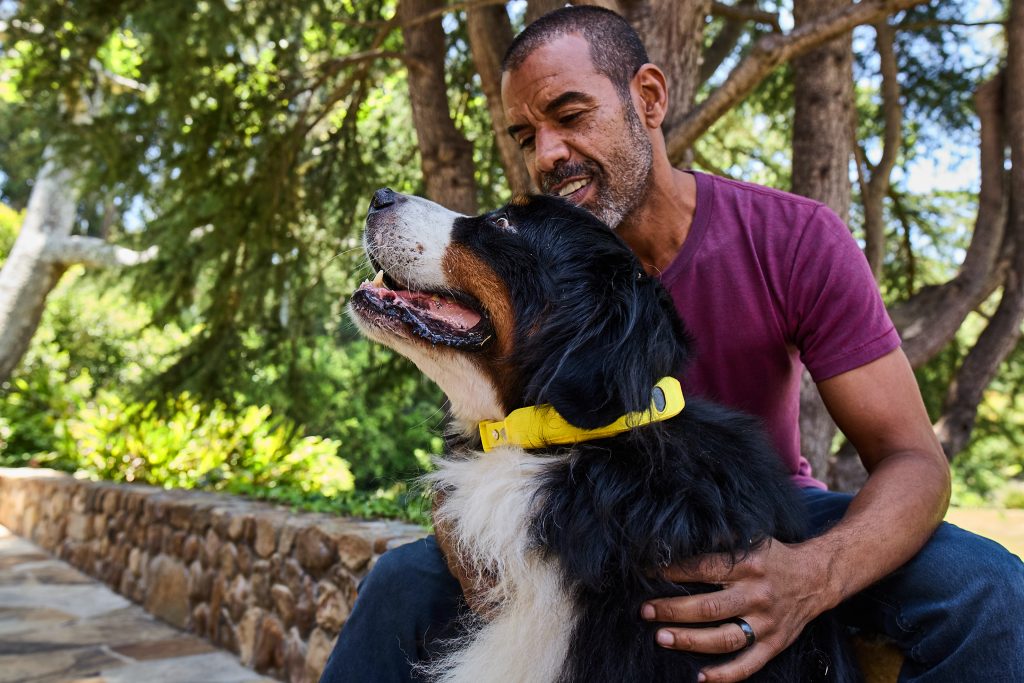
Once your dog understands basic commands, a smart collar acts as an invisible safety net that reinforces your training even when you aren’t holding the leash. The Halo Collar, developed with methodology from Cesar Millan, bridges the gap between obedience and freedom.
Consistent Feedback
The Halo Collar uses customizable feedback—sounds, vibrations, or static—to communicate with your dog. This acts similarly to a tap on the shoulder. If your dog is distracted by a squirrel near the boundary, the collar provides a neutral, consistent signal that reminds them of their training limits without you having to shout across the yard.
GPS Boundaries for Safety
Traditional fences can be jumped or dug under. The Halo Collar creates GPS-based wireless fences that you can set up anywhere. This allows you to practice boundary training in your yard, at a park, or while visiting family. The consistency of the boundary logic helps the dog understand their limits faster.
Energy Management
A tired dog is a good dog. The Halo app tracks your dog’s activity levels, helping you ensure they are getting enough physical stimulation. If you notice your dog is acting out or ignoring commands, a quick check of the app might reveal they haven’t hit their activity goals, signaling that a game of fetch is needed before a training session.
Solving Common Behavioral Problems
Even with a schedule, bad habits crop up. Addressing these early prevents them from becoming permanent.
Excessive Barking
To stop nuisance barking, teach the “Quiet” command. When the dog barks, acknowledge the alert, then say “Quiet” and hold a treat to their nose. They cannot sniff and bark simultaneously. When they silence themselves to investigate the treat, mark it with “Yes” and reward. Repeat until the cue “Quiet” triggers silence.
Destructive Chewing
Destructive chewing is usually boredom or teething. Management is key: remove temptations and provide better alternatives. If you catch them chewing a shoe, calmly interrupt, trade the shoe for a high-value chew toy, and praise them when they engage with the toy.
Jumping on Guests
Jumping is an attention-seeking behavior. Pushing the dog off is interpreted as play. Instead, turn your back completely and cross your arms. Become boring. Only turn around and engage when all four paws are on the floor. Consistency from all family members and guests is required for this to work.
Conclusion
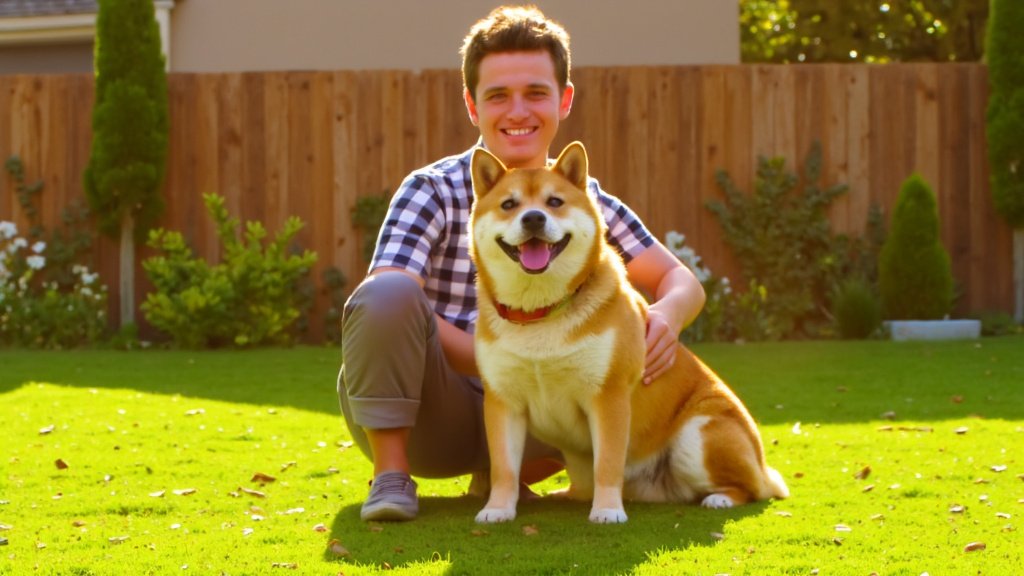
Dog training at home is a journey of communication. By establishing clear routines, using positive reinforcement, and leveraging technology like the Halo Collar, you create a safety structure that your dog can understand and respect. Remember to keep sessions short, keep rewards high, and maintain patience. The result will be a confident, happy dog that is a joy to live with.
Ready to explore more expert guidance and proven techniques for your training journey? Visit our dog training resources for comprehensive tips and strategies.