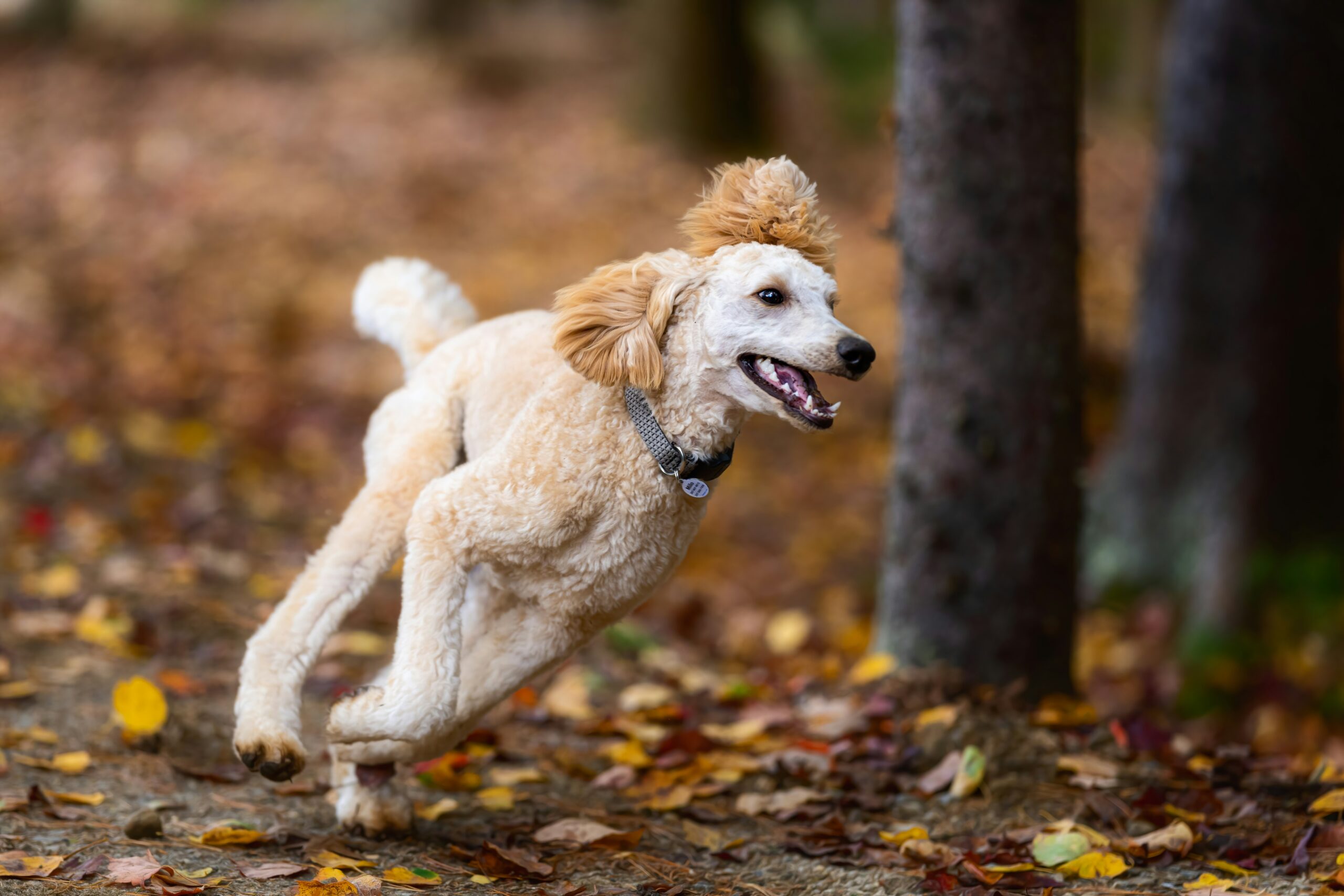
Most adult dogs need between 30 minutes and 2 hours of exercise every day, depending on breed, age, size, and overall health. A high-energy breed like a Border Collie or Labrador Retriever may need 90 minutes to 2 hours of vigorous activity to stay physically and mentally balanced. A low-energy breed like an English Bulldog or Shih Tzu may be content with 20 to 30 minutes of gentle walking.
Getting this balance right matters. Too little exercise leads to weight gain, behavioral problems, and chronic health issues. Too much exercise – especially in puppies, senior dogs, or brachycephalic breeds – can cause joint damage, heatstroke, or exhaustion. The goal is to match the activity level to the individual dog, not to follow a one-size-fits-all formula.
This guide breaks down exercise needs by breed group, life stage, and size, with specific time ranges for each category, practical activity ideas for any environment, and signs that your dog is getting too much or too little.
How Much Daily Exercise Do Dogs Need?
The table below provides general exercise guidelines organized by breed group. These are starting ranges – individual dogs within any group may need more or less depending on their specific health, temperament, and lifestyle.
| Breed Group | Examples | Daily Exercise | Intensity |
| Sporting, Working, Herding | Labrador, Border Collie, Husky, German Shepherd | 60–120 min | Vigorous: running, fetch, hiking, swimming |
| Terriers, Scent Hounds | Jack Russell, Beagle, Dachshund | 60–90 min | Moderate to vigorous: walks, scent games, play |
| Toy and Companion | Chihuahua, Pomeranian, Cavalier | 30–60 min | Light to moderate: short walks, indoor play |
| Giant Breeds | Great Dane, Mastiff, Saint Bernard | 30–60 min | Moderate: walks, gentle play (protect joints) |
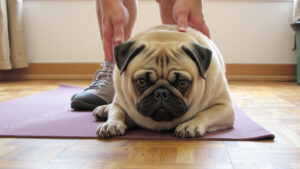
| Brachycephalic | English Bulldog, Pug, French Bulldog, Shih Tzu | 20–30 min | Light: slow walks, short play, avoid heat |
These ranges represent total daily activity, not a single session. Two 30-minute walks spread across the day are generally safer and more sustainable than one 60-minute session, especially for puppies, senior dogs, and breeds prone to joint issues.
→ For breed-specific details, see the Halo breed guide.
How Does Breed Affect Exercise Needs?
A dog’s breed is the single strongest predictor of exercise requirements because it reflects the job the breed was originally developed to do. Dogs bred for endurance work need endurance exercise. Dogs bred for companionship need moderate activity and rest.
High-Energy Breeds: Sporting, Working, and Herding Groups
Labrador Retrievers, Golden Retrievers, Border Collies, Australian Shepherds, Siberian Huskies, and German Shepherds were all bred for sustained physical work – retrieving, herding livestock, or pulling sleds across long distances. These breeds typically need 60 to 120 minutes of vigorous daily exercise that includes running, swimming, fetch, or structured activities like agility training.
Without adequate outlet for their energy, these breeds are the most likely to develop destructive behaviors: chewing furniture, digging, excessive barking, and escape attempts. The behavioral problems are not defiance – they are unspent energy looking for a release.
Moderate-Energy Breeds: Terriers and Hounds
Jack Russell Terriers, Beagles, Dachshunds, and Cocker Spaniels need 60 to 90 minutes of daily activity. These breeds were developed for hunting and tracking, which means they respond especially well to exercise that engages their nose and prey drive: scent games, hide-and-seek with treats, and walks in environments with varied terrain and smells.
Low-Energy and Brachycephalic Breeds
English Bulldogs, French Bulldogs, Pugs, Shih Tzus, and Cavalier King Charles Spaniels need 20 to 30 minutes of gentle daily activity. Brachycephalic breeds (flat-faced dogs) have shortened airways that limit their ability to cool themselves through panting, making them highly susceptible to overheating during vigorous or prolonged exercise.
For these breeds, exercise should be kept to cooler times of day (early morning or evening), sessions should be short, and the dog should always have access to water and shade. If the dog begins panting heavily, slowing down, or refusing to continue, stop immediately.
How Does Age Affect Exercise Needs?
A dog’s exercise needs change significantly across its lifespan. What is appropriate for a one-year-old working breed would be dangerous for a three-month-old puppy or a twelve-year-old senior.
Puppy Exercise Guidelines
Puppies have abundant energy but developing bodies. Their bones, joints, and growth plates are not fully formed, making them vulnerable to damage from high-impact or sustained exercise.
The general guideline for puppies is 5 minutes of exercise per month of age, up to twice per day. A four-month-old puppy would get two 20-minute sessions. A six-month-old would get two 30-minute sessions. This rule applies until the puppy reaches physical maturity, which occurs at 12 to 18 months depending on breed (large breeds mature later than small breeds).
Puppy exercise should emphasize short play sessions, controlled leash walks on soft surfaces, socialization, and mental stimulation through puzzle toys and basic training. Avoid forced running, jumping from heights, or extended hikes until the dog is fully grown.
Adult Dog Exercise
Adult dogs between 1 and 7 years old (breed-dependent) are in their physical prime and can handle the full exercise ranges listed in the breed table above. This is the stage where consistent, varied exercise routines produce the greatest benefits for weight management, cardiovascular health, and behavioral stability.
The most effective adult exercise routines combine physical activity with mental enrichment: daily walks for cardiovascular health, fetch or swimming for high-intensity work, and training sessions or puzzle toys for cognitive engagement. Mixing activities prevents the boredom that comes from repetitive daily walks.
Senior Dog Exercise
Senior dogs (generally 7 years and older for large breeds, 10 years and older for small breeds) still need daily exercise, but the intensity and duration should decrease to protect aging joints and accommodate lower energy levels.
Most senior dogs benefit from 30 to 60 minutes of gentle daily activity: shorter, slower walks spread across two or three sessions rather than one long outing. Swimming and hydrotherapy are excellent low-impact options that maintain muscle tone and joint mobility without the stress of weight-bearing exercise. For more on water-based exercise, see our guide to hydrotherapy for dogs.
What Are the Best Ways to Exercise a Dog?
The most effective exercise program combines outdoor activity, indoor alternatives, and mental stimulation – varied across the week to prevent boredom and address different aspects of the dog’s fitness.
Outdoor Exercise
Outdoor activity provides sensory enrichment that indoor exercise cannot replicate. The sights, sounds, and smells of the outside world engage a dog’s brain as much as their body.
- Daily walks – the foundation of any routine. Adjust pace and distance to the dog’s breed and fitness level.
- Fetch sessions – high-intensity, low-impact when played on grass. Excellent for dogs with strong retrieve drive.
- Swimming – ideal for dogs with joint problems or those recovering from injury. Zero impact on joints while providing excellent cardiovascular work.
- Hiking – combines physical challenge with environmental enrichment.
The American Kennel Club recommends keeping exercise indoors when temperatures exceed 85°F (29°C) or fall below 32°F (0°C) for most breeds. Brachycephalic breeds require even more conservative temperature limits.
Indoor Exercise
When weather or safety concerns prevent outdoor activity, indoor exercise becomes essential. Creative indoor options include stair running for cardiovascular work, tug-of-war for strength and bonding, hide-and-seek with treats to engage foraging instincts, puzzle toys for mental fatigue, and indoor obstacle courses built from household items.
Dog Treadmills
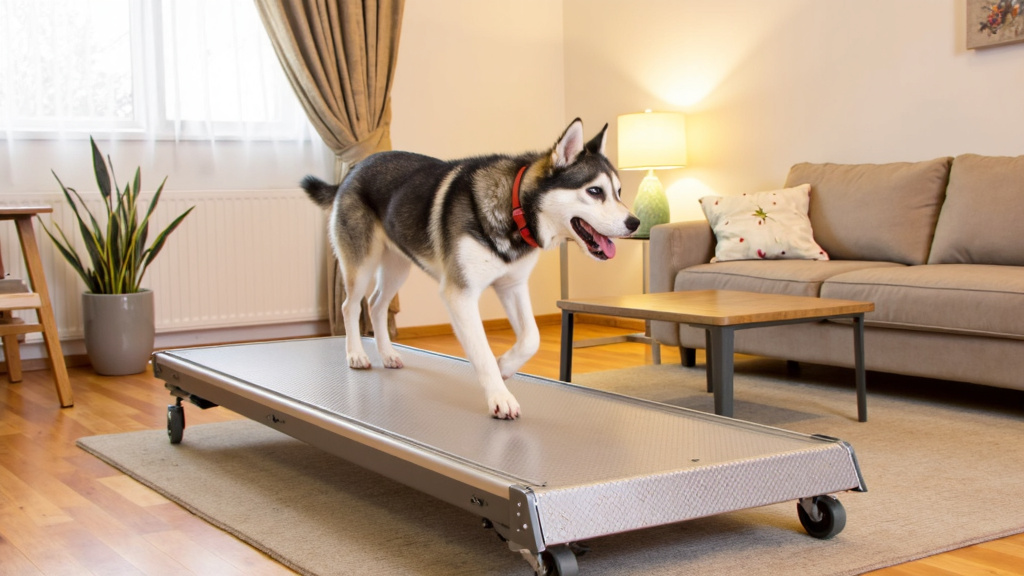
Dog treadmills provide consistent, weather-independent exercise for dogs of all sizes. Unlike human treadmills, canine-specific models feature side rails for safety, longer running platforms to accommodate a dog’s natural stride, and quiet motors that won’t startle noise-sensitive pets.
When selecting a dog treadmill, the running surface should be at least 1.5 times the dog’s length from nose to tail. Introduce the treadmill gradually: let the dog investigate the stationary machine with treats and praise, then start at the lowest speed and increase slowly over multiple sessions. Most dogs who initially hesitate can be comfortable within 1 to 2 weeks of consistent positive introduction.
Treadmill sessions should supplement outdoor exercise, not replace it. A typical session lasts 10 to 30 minutes depending on the dog’s fitness and breed, and should always be supervised.
How Do You Know If Your Dog Is Getting Enough Exercise?
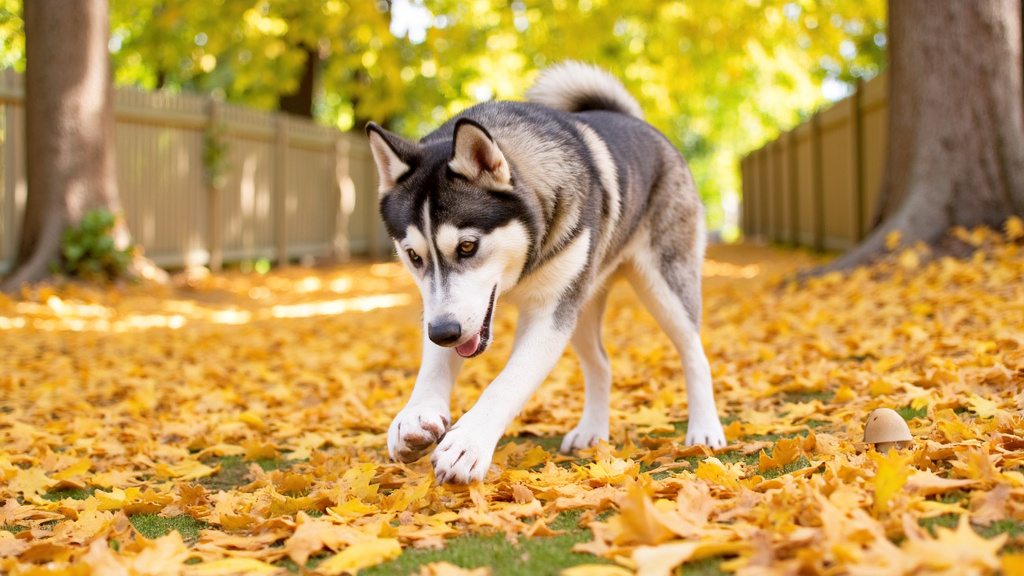
A well-exercised dog settles down calmly at home, maintains a healthy weight, shows good appetite patterns, and sleeps soundly through the night. When a dog relaxes easily in the evening instead of pacing the house, the exercise balance is right.
Signs Your Dog Needs More Exercise
Insufficient exercise produces consistent behavioral and physical signals:
- Destructive chewing on furniture, shoes, or household items
- Excessive barking or whining without obvious cause
- Weight gain despite normal eating
- Restlessness, pacing, and difficulty settling down
- Hyperactivity and attention-seeking behavior
- Digging in the yard or attempting to escape the property
→ For a deeper dive into these behavioral warning signs, see: 10 Signs Your Dog Isn’t Getting Enough Exercise.
Signs Your Dog Is Getting Too Much Exercise
Overexertion is as harmful as under-exercise, and dogs will often push past their limits if the activity is exciting enough. As veterinarian Dr. Susan Jeffrey notes, “Some dogs will run until the pads on their feet tear and will then run some more.” Watch for:
- Excessive panting that continues long after activity ends
- Reluctance to continue walking – sitting or lying down mid-exercise
- Limping or favoring a leg during or after activity
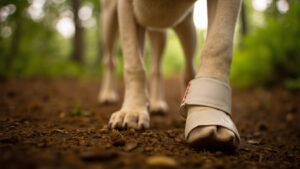
- Worn, red, or torn paw pads
- Stiffness when rising after rest
- Lethargy lasting more than a few hours post-exercise
If you notice any of these signs, reduce intensity and duration immediately. If limping or lethargy persists for more than 24 hours, consult your veterinarian.
How Can You Track Your Dog’s Activity?
Knowing how much exercise your dog actually gets – versus how much you think they get – is the first step toward optimizing their routine. Activity trackers built into smart collars provide objective data that removes guesswork.
The Halo Collar includes built-in activity monitoring through Halo Health that tracks daily movement and rest patterns in the Halo app. The app displays how much time your dog spends active versus resting, where they’ve been, and whether they’re meeting consistent activity thresholds. This data helps you identify patterns – for example, whether Monday’s restlessness correlates with Sunday’s shorter walk – and adjust the routine accordingly.
Beyond activity tracking, the Halo Collar’s GPS virtual fencing – powered by patented Direction-Based Feedback – gives your dog safe space to exercise freely within defined boundaries. For active dogs that need off-leash running but don’t have a physical fence, the collar provides the safety net that lets them burn energy without the risk of wandering into traffic or neighboring property.
Dog Exercise FAQs
How much exercise does a puppy need?
A general guideline is 5 minutes of exercise per month of age, up to twice per day. A four-month-old puppy would get two 20-minute sessions. Stick to short play sessions and controlled leash walks on soft surfaces until the puppy is fully grown (12 to 18 months depending on breed). Avoid forced running, jumping from heights, or long hikes during the growth period.
Can you over-exercise a dog?
Yes. Over-exercise can cause joint damage (especially in puppies and large breeds), heatstroke (especially in brachycephalic breeds), paw pad injuries, and exhaustion. Watch for signs of overexertion: excessive panting after activity stops, reluctance to walk, limping, or lethargy lasting more than a few hours. If in doubt, shorten the session and consult your vet.
How long should I walk my dog?
Walk duration depends on breed, age, and fitness. As a starting point: high-energy breeds benefit from 45 to 60 minutes of walking per day (split across two sessions), moderate breeds from 30 to 45 minutes, and low-energy or brachycephalic breeds from 15 to 20 minutes. Walking is the foundation of exercise, but it should be supplemented with higher-intensity activity (fetch, swimming, play) for breeds that need vigorous work.
Do small dogs need less exercise than large dogs?
Not necessarily. Some small breeds – like Jack Russell Terriers and Miniature Schnauzers – are extremely active and need 60 to 90 minutes of daily exercise. Some large breeds – like Great Danes and Basset Hounds – are relatively low-energy and content with 30 to 45 minutes. Size alone is not a reliable predictor of exercise needs. Breed group, temperament, and age matter more than body weight.