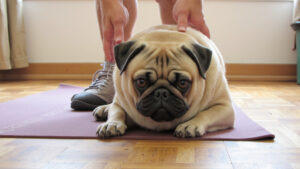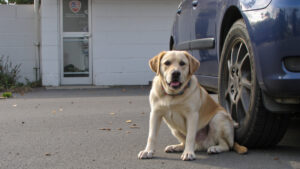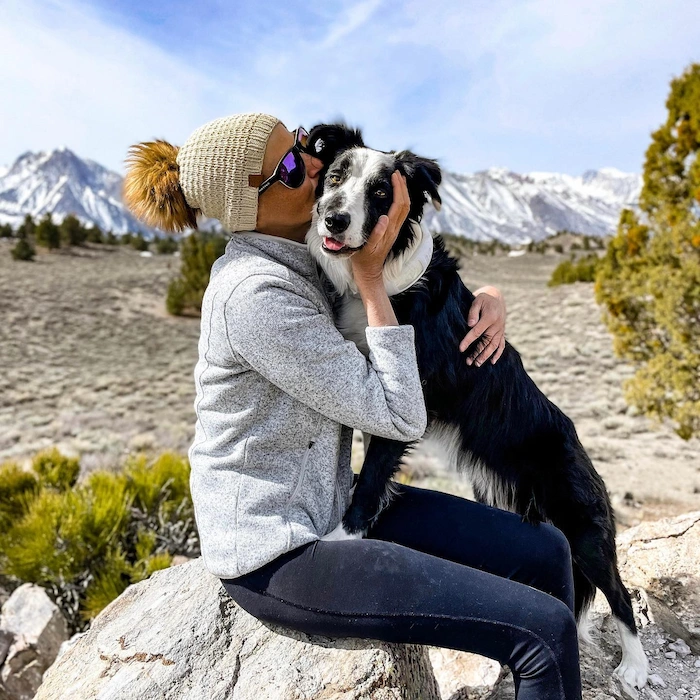
The shadowing from room to room, the shredded cushion, the howling your neighbors mention – these are signs of separation anxiety, not bad behavior. A dog with separation anxiety is not being naughty when you leave; they are experiencing genuine distress at being alone. Recognizing that difference is the first and most important step, because anxiety responds to patience and gradual training, not discipline. This guide helps you recognize the signs, understand the causes, tell ordinary clinginess from true anxiety, and gently help your dog feel safe alone – and know when it is time to involve your vet.
What Is Separation Anxiety in Dogs?
Separation anxiety is genuine distress a dog feels when separated from the people they are bonded to. It is an anxiety-related condition, not disobedience: your dog panics when left alone and may bark, pace, destroy, or have accidents as a result. It ranges from mild unease to a severe, distressing disorder that needs professional help.
Signs of Separation Anxiety
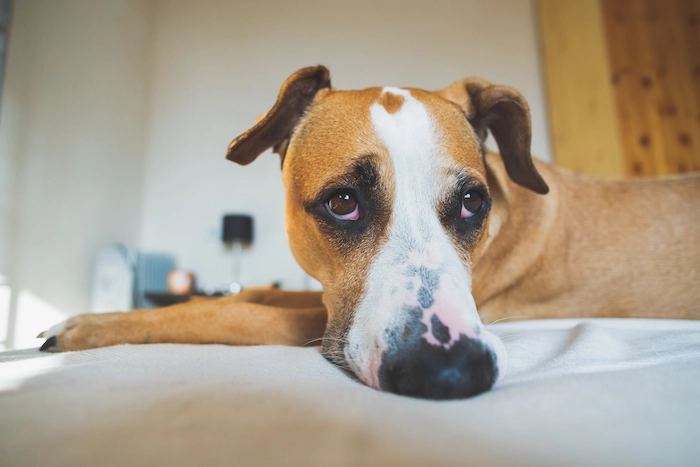
The signs of separation anxiety appear around your departures and while you are gone, and they come from distress rather than misbehavior. Watch for these:
Image URL keywords: separation anxiety dog symptoms | Alt text: Signs of separation anxiety in dogs – pacing, howling, destructive chewing, indoor accidents, and distress around the owner’s departure
- Pacing, whining, trembling, or clinging as you get ready to leave.
- Barking or howling for long stretches once you are gone.
- Indoor accidents, even in a fully house-trained dog.
- Excessive drooling or panting.
- Destructive behavior – chewing furniture, scratching at doors, or digging – often focused on exits.
A pet camera is a simple way to confirm what your dog does while you are out, since the most telling signs happen when no one is home. It also answers a question the list above cannot: whether your dog settles after a few minutes or stays distressed the whole time you are away.
Is My Dog Clingy or Anxious? Understanding the Difference
A clingy dog who follows you around is not necessarily anxious – the difference is distress. Many dogs are simply social and like to be near their people, shadowing you from room to room without any panic; that is companionship, not a disorder. Separation anxiety is when being apart causes genuine fear – the trembling, the panic, the inability to settle the moment you leave. If your dog happily naps while you are in another room but falls apart when you leave the house, that points toward anxiety rather than ordinary attachment. A newly adopted or rescue dog who follows you everywhere is often still building trust, which is normal and usually eases with time and routine.
It is also worth knowing that not every alone-time problem is anxiety. A bored, under-exercised dog can chew and howl out of frustration rather than fear, and a dog who panics only when shut in a particular room may be reacting to the confinement instead of the separation. The behaviors look similar on a camera, but the timing usually gives it away: separation distress starts within the first few minutes and does not ease, while boredom-driven chewing tends to begin later, after your dog has already settled and then run out of things to do. Confinement panic is the easiest to test – it disappears when your dog is left loose instead of shut in. The fixes are not the same, so it is worth knowing which one you are dealing with before choosing a plan.
Why Do Dogs Develop Separation Anxiety?
Dogs usually develop separation anxiety after a change that disrupts their sense of security. Common triggers include:
- A change in the household – a family member moving out, a loss, or a new person or pet arriving.
- A move to a new home or a major change in daily routine.
- A shift in schedule – such as an owner returning to work after a long period at home.
- A history of rehoming or shelter time, common in rescue dogs with unknown pasts.
- Too little physical exercise and mental stimulation, which leaves nervous energy with no outlet.
Puppies and newly adopted dogs are especially vulnerable, since their sense of safety is still forming.
Mild vs. Severe: How Serious Is It?
Separation anxiety exists on a spectrum, and where your dog sits on it determines how to respond. Mild cases – a little whining, mild restlessness – often improve with the routine and training below. Severe cases, where a dog injures themselves trying to escape, panics to the point of harm, or cannot be left at all, are a serious welfare issue that needs a veterinarian or a certified behaviorist, not home training alone. If your dog’s distress is intense or worsening, treat it as the genuine medical and behavioral condition it is and get professional help early.
How to Help a Dog With Separation Anxiety
Helping a dog with mild separation anxiety means teaching them, gradually and kindly, that being alone is safe. These approaches work best together and over time – never through punishment, which deepens the fear.
Build a Predictable Routine
Anxious dogs feel safest when life is predictable, so a steady daily rhythm is calming in itself. A simple pattern – exercise, then calm activity, then quiet alone time – teaches your dog that being alone is just a normal part of the day. Consistency in when you leave, return, feed, and walk gives an anxious dog fewer surprises to worry about.
Desensitize to Your Departures
Desensitization gradually teaches your dog that your leaving is no cause for alarm. Start with very short absences – stepping out for seconds, then minutes – and return calmly before your dog panics, slowly extending the time as they learn nothing bad happens. Work below the point where distress begins, every time: if your dog panics, the absence was too long, so shorten it rather than pushing through.
There is one condition that makes or breaks this, and it is the part most people skip. For the training to work, your dog cannot be left past their threshold at any point – including on ordinary days when you are not training. A single four-hour absence can set you back weeks of careful minutes. In practice that means arranging cover while you work through it: a sitter, daycare, a neighbor, or taking your dog with you. Programs usually fail here rather than in the technique.
“Owners start the clock at the front door, and by then a good bit of it has already happened. She knows the sequence – the kettle goes off, the laptop shuts, the shoes come out from under the stairs – and she’s been winding up since the shoes. So a five-minute absence isn’t five minutes of practice, it’s twenty minutes of build-up and five minutes of being right. What I ask people to do first is pick up the keys and sit back down. Put your coat on and make a cup of tea. Do it until none of it means anything, and do it while you’ve got time to be dull about it. It looks like you’re not training. It’s the part that makes the rest of it work.”
— Charlie Angel Chun Expert Trainer & Consultant (Behavioral Rehabilitation & Society Acclimation)
Make Alone-Time Positive (Crate and Rewards)
Give your dog something good that happens only when you leave. A food-stuffed toy or a long-lasting chew, offered as you go, helps your dog build a positive association with your departure. It doubles as the simplest threshold check you have: a dog in real distress will not eat. If the toy comes back untouched, the answer is not a tastier filling – it is that the absence was longer than your dog could handle, so shorten it. For dogs who already find it comforting, a crate introduced gradually as a cozy den – never as punishment – can be a genuine safe space.
Do not crate a dog who panics when confined. A dog trying to escape a crate can break teeth or nails and injure their mouth and paws, and the confinement itself often makes the distress worse rather than containing it. If your dog struggles, drools, or damages the crate when shut in, that is your answer – use a familiar room or a safe open space instead, and raise it with your vet or behaviorist.
Downplay Hellos and Goodbyes
Keep your comings and goings calm and low-key. Big emotional farewells and ecstatic reunions teach your dog that your departure is a major event worth worrying about. Quiet, matter-of-fact exits and arrivals send the opposite message: leaving and returning are normal and nothing to fear.
Leave Your Scent
Your scent is reassuring to a dog who misses you. Leaving a recently worn piece of clothing in your dog’s resting spot can be a small comfort while you are away, making the space feel less empty.
How to Prevent Separation Anxiety
Preventing separation anxiety is easier than treating it, and it starts with teaching independence early. Help a puppy or newly adopted dog get comfortable alone by building short, positive periods of separation from the start, keeping departures low-key, providing plenty of exercise and enrichment, and maintaining a steady routine. A dog who learns early that alone-time is safe and ordinary is far less likely to develop anxiety later.
When to See a Vet or Behaviorist
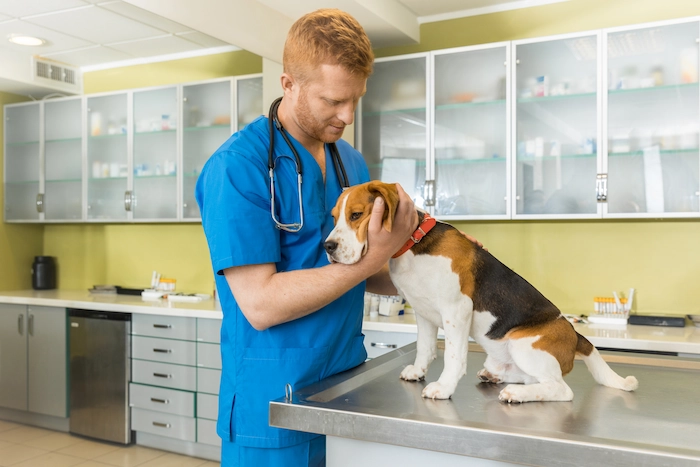
If your dog’s separation anxiety is severe, worsening, or not improving with patient training, it is time for professional help. See your veterinarian first to rule out a medical cause. House-soiling can have a physical explanation, pain or illness can make a dog less able to cope with being alone, some medications list restlessness among their effects, and in older dogs a new-onset inability to settle can be a sign of cognitive decline rather than anxiety. A sudden change in behavior at any age warrants a check-up.
For entrenched or severe anxiety, a certified veterinary behaviorist or a qualified trainer experienced in separation anxiety can build a tailored behavior-modification plan, sometimes alongside veterinary-prescribed support. There is no shame in this – severe separation anxiety is a recognized condition, and getting expert help early is the kindest, most effective path for your dog.
Frequently Asked Questions
Why is my dog so clingy all of a sudden?
Sudden clinginess often follows a change in routine, household, or environment, and is not always anxiety; but if it comes with panic when you leave, it may signal separation anxiety worth addressing.
Can separation anxiety in dogs be cured?
Many dogs improve greatly or fully with patient desensitization, routine, and sometimes professional help, though severe cases are managed over time rather than cured overnight.
Which dog breeds are prone to separation anxiety?
Any dog can develop separation anxiety, but highly social, people-oriented dogs and rescue dogs with unsettled pasts tend to be more prone to it.
How long does it take to treat separation anxiety?
It varies widely – mild cases can improve in a few weeks of consistent work, while severe anxiety may take months and benefit from professional guidance.
Will getting a second dog help with separation anxiety?
Usually not. True separation anxiety is about being apart from you specifically, so another dog rarely fills that gap – and you may end up with two dogs to manage instead of one. Get a second dog because you want one, not as a treatment.