Walking a dog should be a mutual joy, not a battle of strength. Yet, many owners find themselves being dragged down the sidewalk as their dog lunges toward bushes or strangers. This transforms a relaxing stroll into a tiring chore. By understanding the psychology behind pulling and implementing structured training methods, you can regain control. This guide outlines proven strategies to stop pulling and explores how modern tools like the Halo Collar support your goals by reinforcing boundaries and communication.
The Science: Why Dogs Pull and How to Stop It
To fix the problem, you must first understand why it exists. Leash pulling is rarely an act of dominance; it is a learned behavior driven by the “opposition reflex” and reinforcement. Dogs naturally move into pressure rather than away from it. Furthermore, they learn that pulling works. If a tight leash results in them getting to the fire hydrant faster, the pulling behavior is reinforced.
Your goal is to change the association. Currently, your dog views tension on the leash as a “green light” to move forward. You must teach them that tension is a “red light” that stops all progress, while a loose leash is the only ticket to exploration. This shift from physical control to mental engagement taps into natural canine learning patterns. When a dog realizes that checking in with you yields better results than dragging you, they begin to choose loose-leash walking voluntarily.
Choosing the Right Equipment for Control
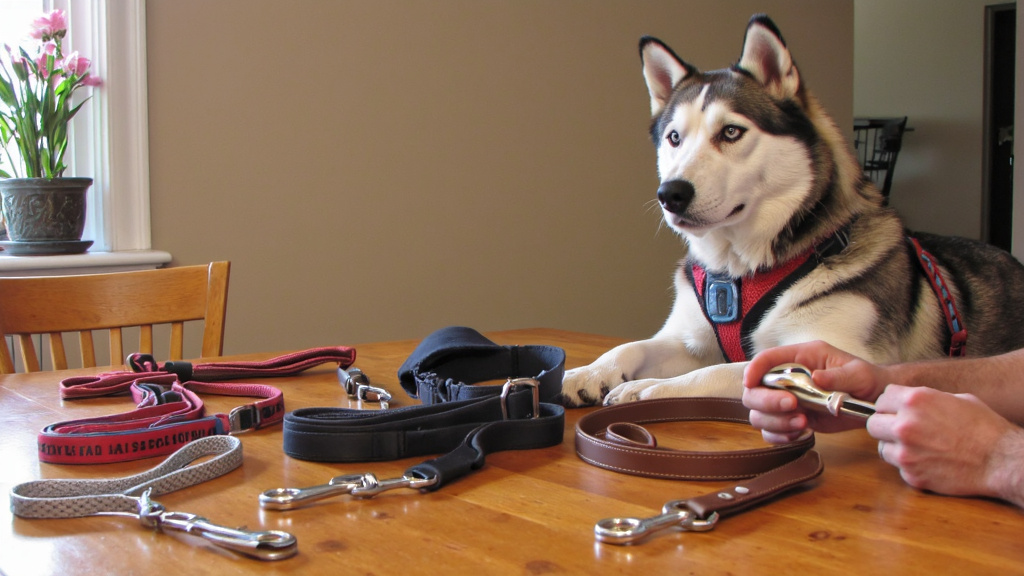
Before beginning training exercises, ensure you have equipment that aids your efforts rather than hindering them. It is important to note that standard flat collars are not recommended as they often trigger the opposition reflex, encouraging the dog to pull harder against the pressure on their trachea.
Front-Clip Harnesses
For strong pullers, a front-clip harness is often the best starting point. Unlike back-clip harnesses that can encourage sled-dog behavior, a front-clip design alters the physics of the walk. When the dog pulls, the leash attachment at the chest redirects their momentum sideways, turning them back toward you. This mechanical disadvantage makes pulling difficult without causing pain.
Head Halters
For giant breeds or owners with limited physical strength, head halters provide “power steering.” These fit around the muzzle like a horse’s halter. Because the body follows the head, this tool offers exceptional control. However, they require a slow desensitization period, as many dogs initially resist having something on their face.
The Halo Collar
While harnesses manage the physical pulling, the Halo Collar addresses the mental connection. It functions as a communication device rather than just a restraint. By using customizable feedback, it acts as an invisible tap on the shoulder, breaking your dog’s fixation on the environment and redirecting their focus back to you.
Pre-Walk Preparation: Setting the Stage
A common mistake is attempting to train a dog that is bursting with energy. If your dog has been in a crate all day, their physical need to move will overpower their ability to learn. Success begins before you leave the driveway.
Engage in 10 to 15 minutes of play before the walk. Games like tug-of-war or fetch burn off the initial layer of frantic energy. A dog that has already expelled their “zoomies” is far more capable of impulse control and focus. Think of the walk as a mental training session, not just physical exercise.
Step-by-Step Loose Leash Techniques
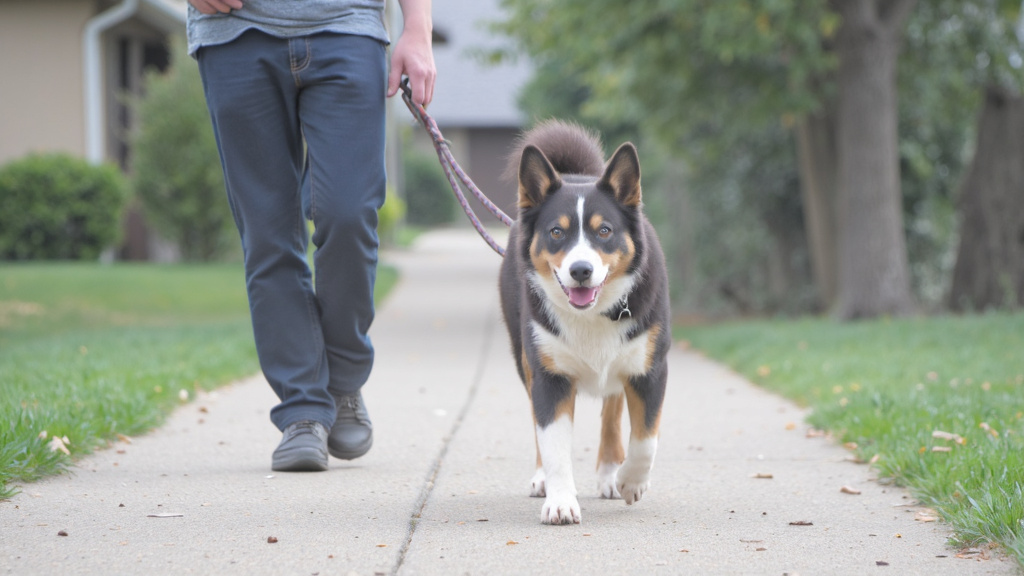
Once your dog is equipped and calm, utilize these specific exercises to build focus. Consistency is vital; if you allow pulling sometimes, the behavior will persist.
The Red Light/Green Light Method
This exercise teaches the dog that tension kills the walk. As soon as the leash tightens, stop dead in your tracks—this is the “Red Light.” Do not yank the leash; simply become a statue. Wait for the dog to look back or step toward you to create slack. The moment the leash loosens, mark it with a “Yes!” and immediately move forward—this is the “Green Light.” In the beginning, you may stop every two steps, but the dog will quickly learn the rules of the game.
The U-Turn Technique
If stopping isn’t enough, the U-Turn method adds an element of unpredictability that forces engagement. Walk briskly; if the dog surges ahead, pivot 180 degrees and walk the other way without yanking. Call your dog cheerfully as you turn. When they catch up to your side, reward them. This teaches the dog that they must keep an eye on you because you might change direction at any moment.
Building Engagement Indoors
Start your training in a low-distraction environment like your living room. Stand still with your dog on a leash. Wait for them to offer voluntary eye contact. When they look at you, reward them. Once they understand that looking at you pays off, take one step. If they stay with you, reward again. Mastering this indoors builds the neural pathways for focus before you face the distractions of the neighborhood.
How the Halo Collar Supports Leash Training
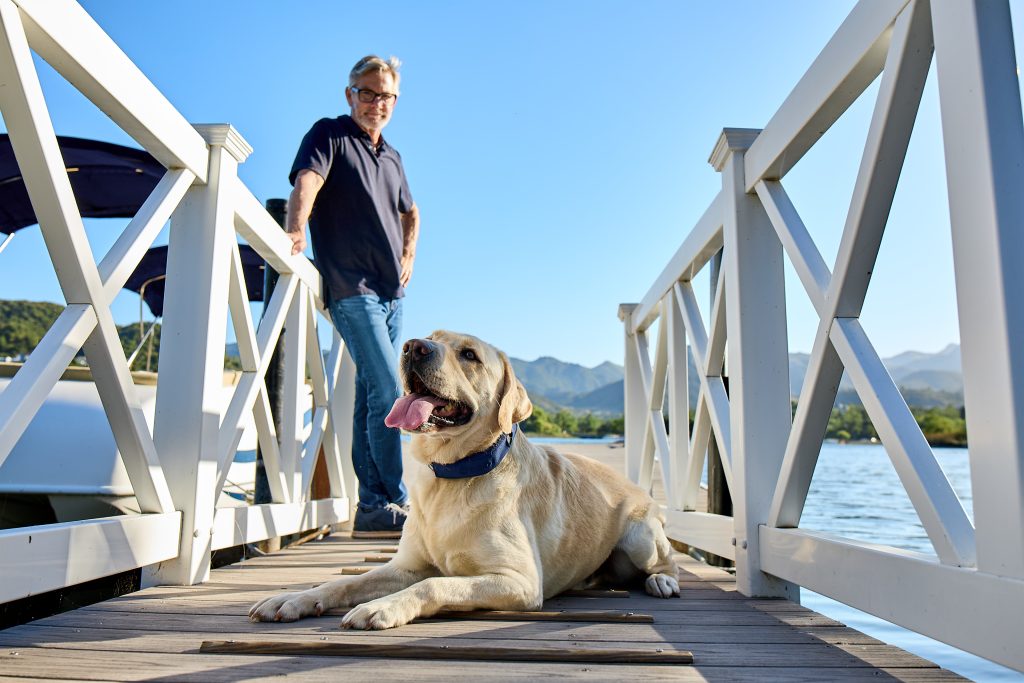
Consistency is the hardest part of dog training, and this is where technology bridges the gap. The Halo Collar supports your manual training by providing consistent, neutral feedback that cuts through environmental distractions.
Customizable Feedback for Attention
When a dog locks onto a squirrel, they often tune out their owner’s voice. The Halo Collar allows you to send a gentle tactile signal—a vibration or sound—to regain their attention. This “interrupt” signal is often more effective than a verbal command because it is novel and neutral. It snaps the dog out of their fixation, allowing you to give a command like “Heel” or “Sit.”
Extending Boundaries Beyond the Fence
The Halo system teaches dogs to respect boundaries through its GPS fencing. This concept naturally extends to the “boundary” of the leash. A dog trained to respect the GPS fence understands that they control their freedom through their position. This spatial awareness translates to walks, where the dog learns to stay within the comfortable radius of the handler.
| Halo Collar Feedback Type | Training Application | Best For |
|---|---|---|
| Sound (Tone) | Acts as a “Warning” or “Look at Me” cue. | Low-distraction environments; sensitive dogs. |
| Vibration | Interrupts fixation (sniffing, staring). | Dogs who ignore verbal commands when excited. |
| Static Correction | Emergency stop or safety boundary reinforcement. | High-drive dogs in dangerous situations (e.g., lunging at cars). |
Conclusion
Leash pulling is a frustrating but solvable problem. By combining the right equipment, such as a front-clip harness or the Halo Collar, with proven psychological techniques like the Red Light/Green Light method, you can transform your walks. Remember that progress takes patience; you are rewiring your dog’s natural instincts. Stick to your rules, keep your training sessions short and positive, and you will eventually enjoy the loose-leash partnership you desire.
For more expert insights on training methods and solutions, visit our Dog Training page.