Living with a high-drive dog often feels like a balancing act between awe at their athletic ability and anxiety about their safety. One moment they are walking calmly; the next, they are frozen, muscles coiled, eyes locked on a squirrel. This is prey drive—a natural instinct deeply wired into your dog’s genetics.
Rather than fighting these instincts, successful training involves understanding the biology behind the behavior and redirecting that energy. By combining management tools like the Halo Collar with impulse control training and biological fulfillment, you can transform a chaotic chaser into a focused, happy companion.
Understanding the Predatory Sequence
To manage prey drive, you must first understand its origin. The urge to chase is not aggression; it is part of the predatory sequence, a hardwired biological chain of events. In wild canines, this sequence is necessary for survival. In domestic dogs, selective breeding has amplified or suppressed specific steps.
The full sequence consists of:
- Orient: The dog notices the prey.
- Eye: The dog freezes and stares.
- Stalk: Creeping toward the target.
- Chase: High-speed pursuit.
- Grab/Bite: Catching the prey.
- Kill: The final phase.
Breed-Specific Behaviors
Different breeds emphasize different parts of this chain. Border Collies are bred to eye, stalk, and chase, but rarely grab. Terriers may skip the stalk and go straight to the grab and shake. Scent hounds may stay in the orient/search phase for miles. Recognizing which part of the sequence lights up your dog’s brain allows you to select the most rewarding training games.
Leash and Long Line Management
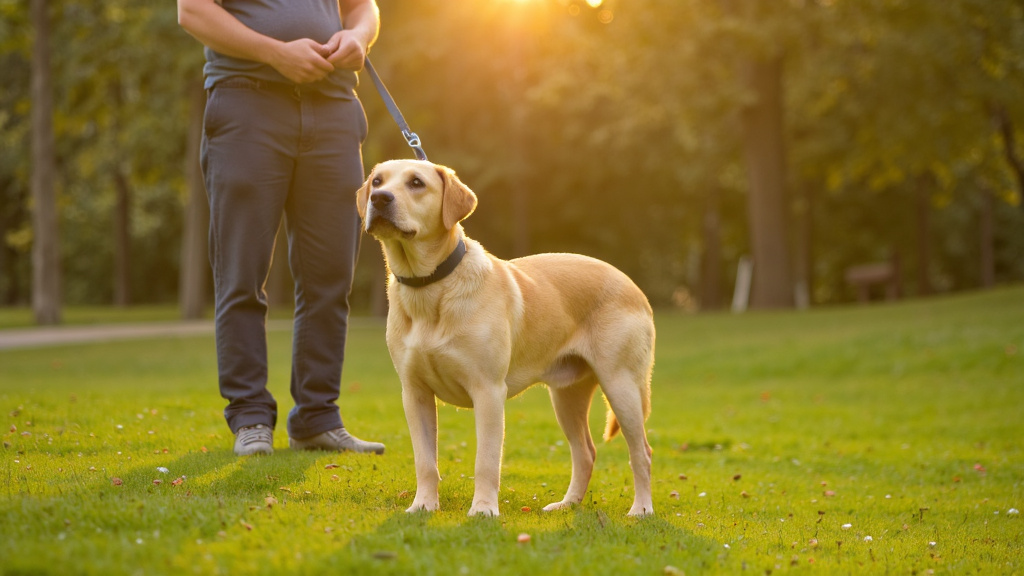
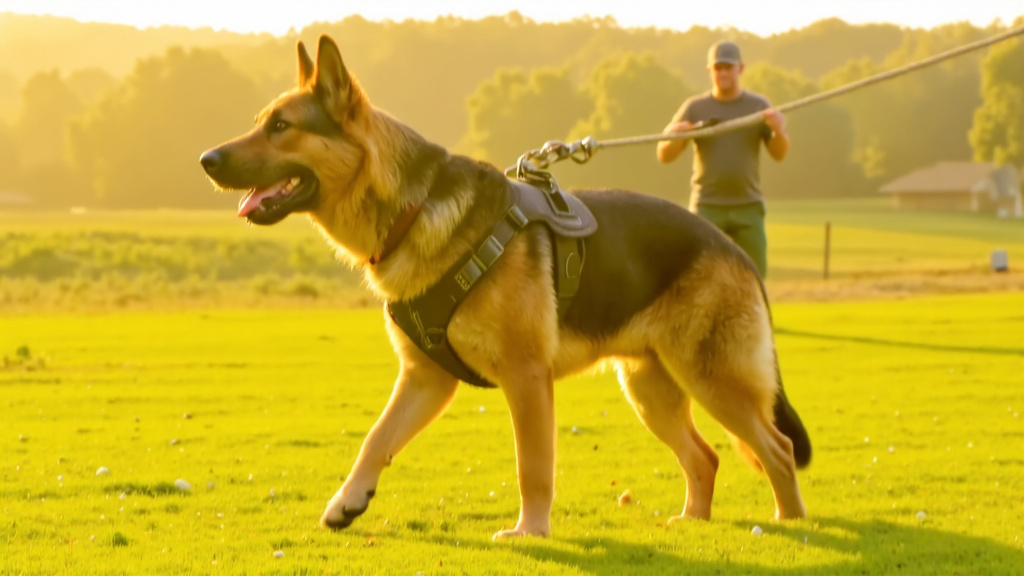
Before your dog has perfected their impulse control, you must manage their environment to prevent the practice of unwanted behaviors. Every time a dog successfully chases a deer or car, they receive a massive neurochemical rush, making the behavior likely to happen again.
Until recall is 100% reliable, a long lead is essential. It allows your dog freedom to sniff and explore while preventing self-rewarding chases. The long line is not a permanent crutch but a temporary tool to bridge the gap between on-leash walking and off-leash freedom.
Essential Impulse Control Exercises
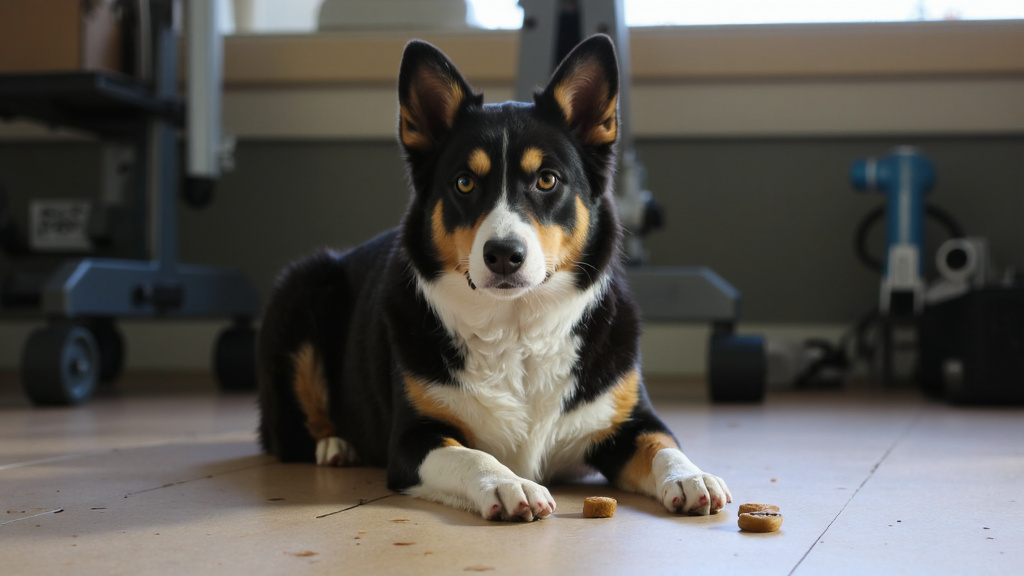
Beyond play, you must teach your dog to disengage from triggers. These specific cues help your dog think through their arousal rather than reacting blindly.
Channeling Instincts with Flirt Poles
Trying to suppress a high-drive dog’s energy often leads to frustration. Instead, channel that energy into a structured outlet. A flirt pole—essentially a giant cat toy for dogs—is one of the most effective tools for this. Flirt pole training is not just mindless chasing; it is an impulse control exercise disguised as play. The dog must sit and wait before the lure moves. They must drop the toy on command to restart the game.
This teaches the dog that listening to you turns the prey drive on, making obedience the key to their favorite reward. Because the flirt pole requires intense sprinting, turning, and mental focus, ten minutes of play can be as exhausting as a one-hour walk. It satisfies the urge to chase and grab in a safe, controlled environment where the “prey” is a toy, not a neighborhood cat.
The “Look at That” (LAT) Game
This counter-conditioning game changes your dog’s emotional response to triggers. When your dog spots a squirrel (or car/bike), mark that moment with a clicker or a “Yes!” and immediately feed a high-value treat. Over time, the dog learns that seeing a trigger is a cue to look at you for a reward, rather than a cue to bolt.
The “Wait” Command
Practicing “Wait” at doorways, food bowls, and before exiting the car builds emotional regulation. It teaches the dog that pausing leads to permission. A dog that can wait for a bowl of food is better equipped to wait when they see a rabbit run across the path.
Premack Principle
Also known as “Grandma’s Law,” this principle states that high-probability behaviors (chasing/sniffing) can reinforce low-probability behaviors (sitting/looking at you). Ask for a simple behavior like “sit,” and reward the dog by releasing them to go sniff a tree or chase a ball. You become the gateway to the fun, strengthening the human-dog bond.
Scent Work for Searchers
For nose-driven dogs, the “Find It” game is exhausting and satisfying. Hide treats or a specific toy in boxes, tall grass, or around the living room. This engages the olfactory center of the brain, which is incredibly energy-intensive and calming.
Destruction Outlets for Dissectors
Dogs that need to kill/dissect often destroy furniture if bored. Redirect this by using cardboard boxes sealed with treats inside, or treat-dispensing toys like frozen Kongs. These allow the dog to rip, tear, and lick—mimicking the final stages of the predatory sequence safely.
| Activity | Primary Drive Satisfied | Benefit |
|---|---|---|
| Flirt Pole | Stalk, Chase, Grab | High-intensity physical exercise and impulse control. |
| Scent Work / “Find It” | Orient, Eye, Search | Mental exhaustion and calming focus. |
| Shredding Boxes | Dissect, Consume | Safe outlet for destructive tendencies. |
| Barn Hunt | Search, Stalk | structured sport utilizing natural hunting ability. |
Protecting Your Emergency Recall
The most critical safety tool you have is emergency recall training. However, a recall cue is fragile; if you overuse it or use it to end fun, the dog will learn to ignore it.
Never Poison the Cue
Do not call your dog to come for things they dislike, such as baths, nail trims, or leaving the park. If you need to do something unpleasant, go to the dog—do not call them to you. The recall word should only predict high-value rewards.
Practice Check-Ins
Reward your dog for voluntary check-ins. If they look at you on a walk without being asked, praise heavily. This builds a habit of staying connected to you, making the formal recall easier when you really need it.
The Role of the Halo Collar
When managing a high-drive dog’s environment extends beyond a physical leash, the Halo Collar acts as a vital safety net. Its GPS-enabled smart fencing allows you to define boundaries anywhere, preventing your dog from bolting after wildlife in unsafe areas. This technology provides peace of mind, allowing you to practice training protocols without the constant fear of a lost dog.
Conclusion
Owning a high-drive dog requires patience, management, and a willingness to work with their nature rather than against it. By identifying which parts of the predatory sequence drive your dog and providing structured outlets like flirt poles or scent work, you can reduce frustration and improve behavior. Combine these training strategies with the safety boundaries of the Halo Collar, and you gain the freedom to enjoy adventures with your dog, confident in their safety and your bond.
Ready to explore more effective training strategies for your high-energy companion? Visit our dog training resources for expert guidance on building better behaviors.