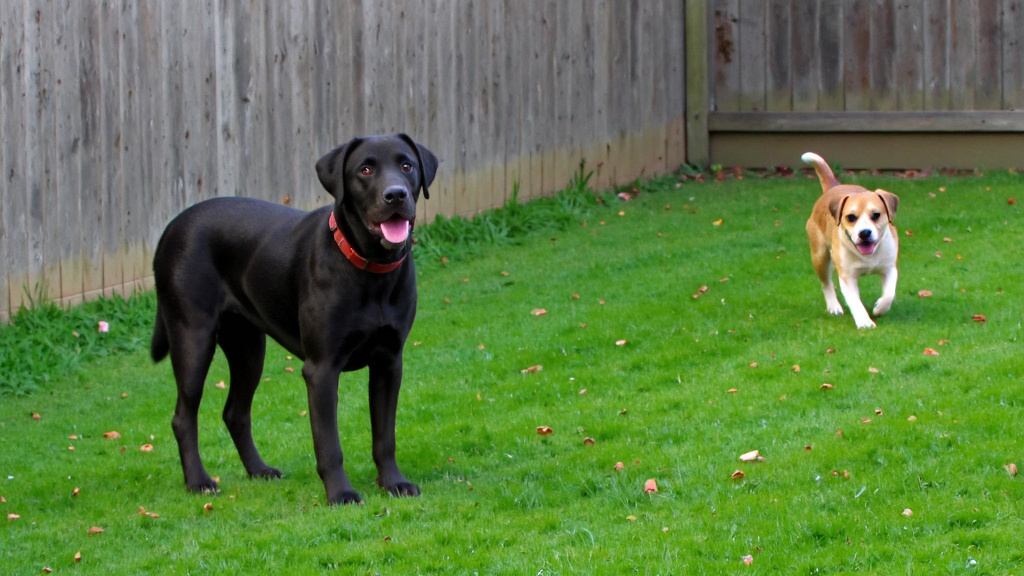
The landscape of dog containment is experiencing a fundamental shift from traditional physical barriers toward intelligent, technology-driven solutions. Think of the typical suburban backyard with wooden fences that require constant maintenance, metal barriers that rust and deteriorate, or vinyl installations that crack under weather stress. Unlike traditional fencing, which is static and costly, modern alternatives offer flexible boundaries, lower upfront costs, and behavior-based safety solutions.
Imagine a renter who moves seasonally, a family that wants to take their dog on vacation, or homeowners seeking containment without construction. Dog fence choices are changing because technology and lifestyle needs are reshaping how people use outdoor space. For dog owners new to these innovative containment methods, this means access to solutions that were once considered impossible: portable boundaries that travel with you, invisible barriers that require no installation, and smart systems that adapt to your routine.
In this guide, you’ll learn what dog fence options are available, how they work, how they differ in practice, and how to choose and install the right one for your dog. You’ll understand the core trade-offs between traditional, electric, and GPS solutions, master a framework for matching containment to your specific needs, and gain confidence to move beyond conventional fencing limitations.
Traditional Physical Fencing Systems
Traditional physical fencing is the conventional approach to dog containment that relies on visible barriers made from materials like wood, chain link, vinyl, or metal to create permanent boundaries through physical obstruction.
Think of traditional fencing as building walls around your property perimeter, like setting a rope boundary that everyone can see and understand immediately. In other words, they work because they’re physically there, blocking movement instead of training behavior. Physical fencing systems function by creating continuous vertical barriers from ground level to heights that prevent dogs from jumping over. Installation requires digging post holes, setting concrete foundations, and connecting panels in an unbroken line around the containment area. Effectiveness depends entirely on material integrity, proper installation, and the dog’s inability to dig under, jump over, or break through the barrier.
Traditional fences provide immediate visual confirmation of containment for both dogs and humans and require no training or technology. However, because they are permanent installations, they involve higher upfront costs and ongoing maintenance tied to one property.
In-Ground Electric Fence Systems
An in-ground electric fence is an invisible boundary system in which wire is buried along a desired perimeter. It creates radio signals that a receiver collar detects to warn the dog as it approaches the buried line.
Think of an in-ground electric fence as an invisible leash anchored to the exact shape of your yard, like drawing a force field on the ground that only your dog’s collar can sense. The boundary exists but remains completely hidden from view while providing reliable containment.
These systems operate by running low-voltage current through buried wire, creating radio frequency signals. The dog’s collar detects that signal and provides progressive alerts, usually an audible warning first, then mild static correction if the dog continues toward the boundary. Installation requires planning the wire loop, burying or securing it to surfaces, testing collar range alignment, and training the dog to respond to boundary cues.
This means in-ground electric systems offer customized perimeters for irregularly shaped yards, maintain unobstructed property views, and provide reliable coverage without aesthetic impact. For dog owners, these systems require installation effort and landscape modification, while relying on the dog’s trained response to collar signals rather than physical barriers.
GPS Fence Technology
A GPS fence is a virtual boundary system that uses global positioning satellites and smart collar technology to create containment anywhere without requiring physical installation, buried wires, or permanent modifications.
A GPS fence acts like a personal bodyguard for your dog, following them everywhere, much like a digital map pin that sets an invisible play area that moves with you instead of staying fixed to one yard. The boundary exists only in the digital realm but provides real-world containment.
GPS systems work through satellite positioning technology built into smart collars, continuously tracking the dog’s location relative to boundaries set via mobile apps. Using GPS satellites, cellular networks, and additional sensors, the collar maintains precise location awareness and delivers audio cues, vibrations, or gentle corrections when dogs near boundary limits.
GPS fences eliminate installation barriers completely, enable instant boundary adjustments through smartphone controls, work across unlimited locations, and provide real-time location monitoring. For modern dog owners, GPS technology removes traditional containment limitations while offering unprecedented flexibility for travel, temporary situations, and multiple properties.
Portable Containment Solutions
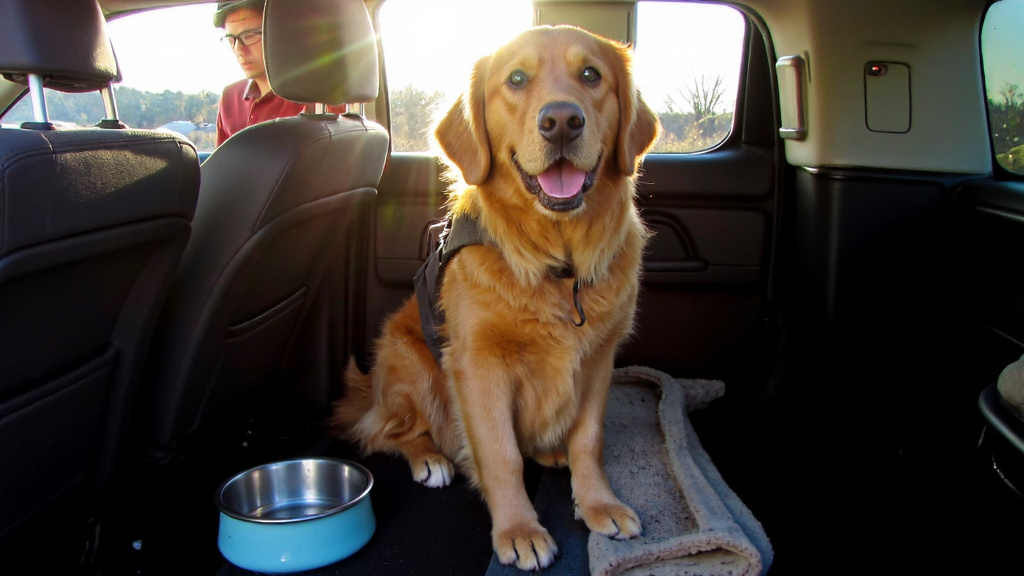
Portable containment solutions are dog fence systems designed to create temporary boundaries that can be easily moved between locations, providing flexible safety for traveling, camping, or managing dogs across various properties.
Think of portable dog containment as having a pop-up tent for pet boundaries, like camping gear that allows you to create temporary shelter anywhere you travel. These systems let you establish consistent safe zones whether you’re at home, vacation rentals, or camping sites.
Portable systems generally use GPS technology to store multiple location profiles and activate boundaries automatically, or they rely on wireless radio frequency to create circular zones around central transmitters. Setup involves minimal equipment deployment and can usually be completed within minutes of arriving at any location.
Portable solutions provide consistent boundary training across different environments, eliminate concerns about leaving dogs behind during travel, and ensure safety whether at home or exploring new destinations. For active families, portable containment transforms pet ownership from location-dependent to lifestyle-independent.
How Modern Systems Differ from Traditional Fencing
- Installation Requirements: Traditional fencing demands extensive excavation, concrete setting, and permanent landscape modification that can take days or weeks. Modern alternatives: GPS systems work immediately upon setup, while in-ground electric systems require minimal buried wire installation compared to full fence construction.
- Boundary Flexibility: Traditional fences create fixed, unchangeable boundaries that remain static regardless of circumstances or changing needs. Technology-based systems: Allow instant boundary adjustments, shape modifications, and size changes through digital controls or app interfaces.
- Cost Structure: Traditional installation involves significant upfront material and labor costs, plus ongoing maintenance, repair, and replacement expenses. Electric and GPS systems: Typically require lower initial investment with predictable, minimal ongoing costs and no structural maintenance.
- Portability Factor: Traditional fencing remains permanently fixed to single locations and cannot accommodate lifestyle changes or travel needs. Modern solutions: Travel with you and adapt to multiple locations, vacation homes, camping, or temporary living situations without additional investment.
- Aesthetic Impact: Traditional barriers alter property appearance permanently and may conflict with landscaping or architectural preferences, potentially affecting property values. Invisible solutions: Maintain unobstructed views, preserve property aesthetics, and avoid potential neighbor disputes while providing effective containment.
What This Means for Dog Owners
- Budget priorities shift toward flexibility. Modern systems eliminate substantial upfront costs associated with traditional fence installation, making effective containment accessible to renters, budget-conscious owners, and those seeking temporary solutions without long-term property commitments.
- Training becomes essential for success. Choosing electronic or GPS systems requires dedicated time to teach boundary cues so warnings become effective and stress-free. This means consistent training sessions with positive reinforcement and gradual boundary introduction.
- Lifestyle mobility increases dramatically. GPS and wireless technologies accommodate modern travel patterns, allowing dog owners to maintain consistent containment standards across multiple locations without infrastructure investments at each destination.
- Property modifications become optional. Technology-based solutions avoid potential negative impacts on property values while preserving the full aesthetic potential of landscaping investments and maintaining neighborhood harmony.
- Maintenance burdens disappear significantly. Modern systems eliminate ongoing fence repair, painting, and replacement costs that traditional barriers require, reducing long-term ownership expenses and time commitments.
- Safety redundancy requires planning. Combining visible cues like flags or training markers with electronic systems helps dogs learn boundaries and provides backup plans for collar malfunctions or battery depletion scenarios.
How to Choose Your Ideal Dog Fence Solution
- Identify your primary constraints and priorities. Decide whether portability, cost, visual impact, or maximum containment ranks most important, and list the top two reasons you need containment to clarify decision criteria.
- Assess property characteristics and dog behavior. Walk the perimeter you want to define, note obstacles and potential escape routes, and evaluate your dog’s digging, jumping, or roaming tendencies to match system strength to behavioral needs.
- Compare system mechanics and maintenance requirements. Check installation time, ongoing power or subscription needs, professional setup requirements, and whether you can manage the system independently or need technical support.
- Calculate total cost of ownership accurately. Include initial system costs, installation expenses, ongoing maintenance requirements, and long-term operational costs across different technologies to understand true investment levels.
- Create a comprehensive training plan before activation. Teach boundary cues with short supervised sessions, use auditory warnings before corrections, and gradually introduce corrective feedback so your dog learns to respect boundaries confidently.
- Test and monitor system performance regularly. Verify collar fit, battery status, and boundary accuracy, supervise initial sessions until reliable responses develop, and maintain backup plans for technology failures.
Moving Forward
Understanding modern dog fence solutions is essential for contemporary pet owners seeking effective containment that matches today’s mobile lifestyles. The evolution from traditional physical barriers to intelligent GPS fence technology means access to more flexible, cost-effective, and adaptable solutions than previous generations could imagine. Whether you choose in-ground electric systems, GPS technology, or portable solutions, modern containment transforms pet safety from location-dependent to lifestyle-independent.
To get started, assess your primary needs between portability, cost, and containment strength, evaluate your property and your dog’s behavioral patterns, then select the system that aligns with those requirements. Train gradually with positive reinforcement, test the system carefully, and monitor it regularly to ensure reliable boundary compliance.
For comprehensive resources about GPS fence technology, training best practices, and containment solutions, visit Halo Collar for expert guidance. The future of dog containment lies in intelligent systems that work with your lifestyle rather than constraining it. Take the first step toward safer, more flexible pet management today!
Key Concepts Defined
Boundary accuracy: The degree to which a virtual or electronic fence enforces the intended perimeter with consistency and precision across different environmental conditions.
Dog fence: A system that establishes a boundary to prevent a dog from leaving a defined area, using either physical barriers or virtual enforcement methods.
GPS fence: A virtual boundary defined by satellite positioning and enforced through a smart collar, eliminating the need for buried wires or visible perimeter hardware.
In-ground electric fence: A perimeter system with buried wire that creates radio frequency signals detected by receiver collars to warn or correct dogs approaching the boundary.
Hidden fence: Any boundary system that creates barriers dogs can detect through collar technology but remains visually undetectable to humans.
Portable fence: A containment solution that can be easily moved and reconfigured across different locations without permanent installation or property modification.
Receiver collar: A wearable device that detects boundary signals and provides auditory alerts, vibrations, or static corrections to communicate boundary proximity to dogs.
Training cues: Behavioral signals and practices used to teach dogs to respond appropriately to fence warnings and remain within designated boundaries.
Wireless dog fence: A boundary system using radio frequency technology to create containment areas around central transmitters without requiring wire installation.
Frequently Asked Questions
What is the difference between an in-ground electric fence and a GPS fence?
In-ground electric fences use buried wire and radio frequency signals detected by receiver collars, requiring installation but providing reliable containment. GPS fences use satellite positioning to enforce boundaries without buried hardware, offering portability and instant setup, though they rely on satellite accuracy and battery life.
Do GPS dog fences work as effectively as traditional physical fences?
GPS fence systems provide highly effective containment when properly implemented with appropriate training. Unlike physical barriers that can be jumped over or dug under, GPS systems create consistent boundaries that adapt to terrain and provide reliable containment.
Can I use portable fence systems for camping and traveling?
Yes, portable containment systems are specifically designed for travel and temporary use. GPS-based portable systems work anywhere with satellite coverage, while wireless systems create instant boundaries around any location where you place the transmitter, making them ideal for camping, vacation homes, and temporary situations.
Are hidden fences safe for all dog breeds and sizes?
Hidden fence systems accommodate virtually all dog breeds and sizes through adjustable collar settings and customizable correction levels. Modern systems offer gentle training modes for sensitive dogs and appropriate settings for determined breeds, ensuring effective and humane containment with proper training and supervision.
How long does it take to train a dog to respect virtual boundaries?
Most dogs learn virtual boundaries within 2-4 weeks of consistent training, though results vary based on age, temperament, and previous training experience. Success requires gradual boundary introduction, positive reinforcement for appropriate behavior, and consistent application of containment system feedback.
What happens if the power goes out with electric or GPS fence systems?
GPS systems typically operate on rechargeable collar batteries providing days of continuous use, while electric fence transmitters often include backup power supplies to ensure uninterrupted boundary enforcement during electrical disruptions.
How do I choose between different dog fence technologies?
Choose based on your primary needs: traditional fences for maximum physical barriers, in-ground electric for custom permanent boundaries, GPS for portability and installation-free setup, or portable systems for travel and temporary use. Consider property ownership, lifestyle mobility, budget, and your dog’s training responsiveness when deciding.