Has your unspayed female dog suddenly started acting restless, clingy, or attempting to escape your yard? The canine heat cycle triggers significant behavioral and physical changes that can catch even experienced pet owners off guard. Understanding the progression of the estrus cycle is essential for preventing unwanted pregnancies and maintaining your pet’s comfort. This guide outlines the critical signs to recognize and provides practical strategies to navigate this natural but challenging period with confidence.
Recognizing Behavioral Changes During the Heat Cycle
Hormonal fluctuations create noticeable shifts in your dog’s personality. These changes stem from rising estrogen levels during the initial stage (Proestrus) and shifting progesterone levels as the cycle progresses. Rather than viewing these shifts as disobedience, it is helpful to recognize them as biological imperatives.
Increased Clinginess and Anxiety
Many female dogs become exceptionally affectionate or “velcro” dogs during this time. She may seek constant physical contact, follow you from room to room, or whine if separated. Conversely, some dogs experience irritability and may be less tolerant of other household pets or chaotic environments. This emotional volatility is a direct result of hormonal surges causing internal stress.
Roaming and Escape Instincts
Perhaps the most dangerous behavioral change is the sudden, overwhelming drive to find a mate. Even a dog with perfect recall training may ignore commands or attempt to bolt through open doors. This instinct can lead to digging under fences, jumping gates, or pushing through screens, making containment a primary safety concern.
Mounting and Flagging
Hormonal tension often manifests as mounting behavior, directed at other dogs, objects, or even people. As she enters the fertile stage, you may also notice “flagging.” This involves the dog moving her tail to the side when touched near the rump, signaling receptivity to male dogs.
Changes in Urination Habits
You will likely observe your dog asking to go outside more frequently. This is not just a bladder issue; she is “marking.” By urinating frequent small amounts, she spreads pheromones that signal her reproductive status to male dogs in the vicinity.
The Four Stages of the Canine Estrous Cycle
Physical signs provide the most reliable timeline for your dog’s cycle. While many owners only notice the bleeding, the cycle actually consists of four distinct phases. Understanding where your dog is in this timeline helps you predict her fertility and behavior.
1. Proestrus (The Beginning)
Lasting roughly 9 days, this stage is characterized by a swollen vulva and bloody vaginal discharge. While male dogs will be attracted to her, she will typically reject their advances, often aggressively. She may tuck her tail to protect herself.
2. Estrus (The Fertile Window)
This is the critical mating phase, lasting anywhere from 4 to 24 days. The discharge typically changes from red to a straw-colored or pinkish fluid. The vulva remains swollen but softens. During Estrus, the female becomes receptive to males and is most likely to escape to breed.
3. Diestrus
Following the fertile window, the dog’s body proceeds as if pregnant, regardless of whether mating occurred. This phase lasts about two months. Discharge disappears, and the vulva returns to normal size. Progesterone levels remain high, which can sometimes lead to a “false pregnancy.”
4. Anestrus
This is the resting phase between heat cycles, lasting several months. The body is sexually inactive, and behavior returns to normal.
| Stage | Avg. Duration | Key Signs | Fertility Status |
|---|---|---|---|
| Proestrus | 9 days | Swollen vulva, bloody discharge | Infertile (Rejects males) |
| Estrus | 9 days | Light/Pink discharge, flagging | High Fertility (Receptive) |
| Diestrus | 60 days | Discharge stops, swelling subsides | Fertile period ends |
The Phenomenon of “Silent Heat”
It is important to note that not every dog follows the textbook signs. Some females experience a “silent heat,” where they ovulate without the obvious physical symptoms like swelling or bleeding. In these cases, behavioral changes may be the only indicator.
If your unspayed female suddenly becomes attractive to male dogs or exhibits the behavioral shifts mentioned above without physical symptoms, assume she is fertile. Treat her with the same level of caution and containment as you would a dog with visible signs to prevent unplanned litters.
Potential Health Complications: When to See a Vet
Keeping a dog safe during heat extends beyond preventing escape; it also involves monitoring for medical emergencies. Unspayed females are susceptible to reproductive infections that can be life-threatening if ignored. Recognizing the difference between a normal cycle and a medical crisis is vital.
The Danger of Pyometra
Pyometra is a severe infection of the uterus that typically occurs during the Diestrus phase, roughly 4 to 8 weeks after the heat cycle ends. Hormonal changes can cause the uterine lining to thicken, creating a breeding ground for bacteria.
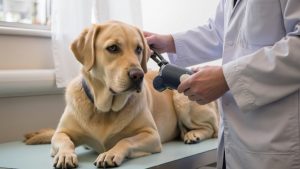
Symptoms include lethargy, excessive thirst and urination, vomiting, and a swollen abdomen. In “open” pyometra, you may see pus draining from the vulva. In “closed” pyometra, the pus is trapped inside, which is even more dangerous. If you notice these signs after a heat cycle, seek immediate veterinary care, as surgery is often required.
Split Heats and Cystic Ovaries
Occasionally, a dog may start a heat cycle (bleeding and swelling), stop suddenly, and then restart weeks later. This is known as a “split heat” and is common in young dogs. However, prolonged heat cycles (bleeding for more than 3-4 weeks) or irregular intervals can indicate ovarian cysts or tumors. Keeping a detailed log of your dog’s cycles will help your vet diagnose these hormonal imbalances early.
Advanced Containment Strategies
When a dog enters Estrus, traditional physical fences may fail. The biological drive to reproduce is powerful enough to motivate dogs to jump heights they previously couldn’t or dig with relentless energy. Consequently, relying solely on a wooden fence or a leash can be risky.
The Halo Collar provides a robust safety net through wireless smart fence technology. Because the system relies on advanced GPS tracking, it creates boundaries that cannot be dug under or chewed through. The system monitors the dog’s position 20 times per second, offering immediate feedback if she attempts to wander.
This technology is particularly vital because it includes directional feedback. If your dog, driven by instinct, moves toward an unsafe area, the collar uses escalating cues to redirect her attention back to safety. Additionally, the AlwaysOn GPS tracking ensures that if a physical barrier fails (like a gate left ajar), you receive instant notifications and real-time location data to recover your dog immediately.
Managing Male Attraction
Keeping your female dog in is only half the battle; you must also keep male dogs out. The pheromones released during heat can be detected by male dogs from miles away. This can result in unwanted suitors loitering around your property, which can be stressful for your female and potentially dangerous if they attempt to breach your yard.
To minimize attraction, supervise all outdoor time. Never leave a female in heat alone in the yard, even for a few minutes. If you walk her, avoid dog parks and popular routes. Drive to a secluded area for potty breaks if possible. Additionally, adding chlorophyll tablets to her food (upon veterinary approval) may help mask the scent of her heat cycle, though it will not eliminate it entirely.
Hygiene and Comfort Management
Beyond safety, your primary role is ensuring your dog remains comfortable while protecting your home from the mess associated with Proestrus.
Using Dog Diapers Effectively
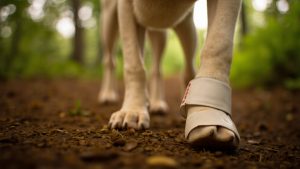
Hygiene pants or dog diapers are the most practical solution for indoor management. They protect furniture and carpets from blood stains while allowing the dog to roam the house. When selecting a diaper, ensure there is a hole for the tail and that the fit is snug but not restrictive.
It is crucial to change diapers frequently—at least every 3 to 4 hours—to prevent “urine scald” and bacterial infections. Remove the diaper whenever the dog goes outside to urinate to prevent confusion about potty training.
Creating a Nesting Environment
Many dogs feel vulnerable during their cycle. Establish a quiet, low-traffic zone in your house with extra bedding where she can retreat. Gentle grooming and keeping the genital area clean with warm water wipes can also prevent matting and reduce the likelihood of her licking excessively, which can cause skin irritation.
Conclusion

Managing a dog in heat requires a blend of vigilance, patience, and the right tools. By recognizing the behavioral shifts early and understanding the physical timeline of fertility, you can prevent unwanted pregnancies and reduce stress for your pet. Utilizing advanced safety measures like the Halo Collar ensures that her biological urge to roam doesn’t lead to a lost dog situation. With proper hygiene management and a secure environment, you can help your companion navigate this natural cycle safely and comfortably.
For more comprehensive guidance on protecting your dog during vulnerable times and other safety concerns, explore our Dog Safety page for expert tips and innovative solutions.