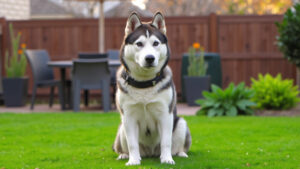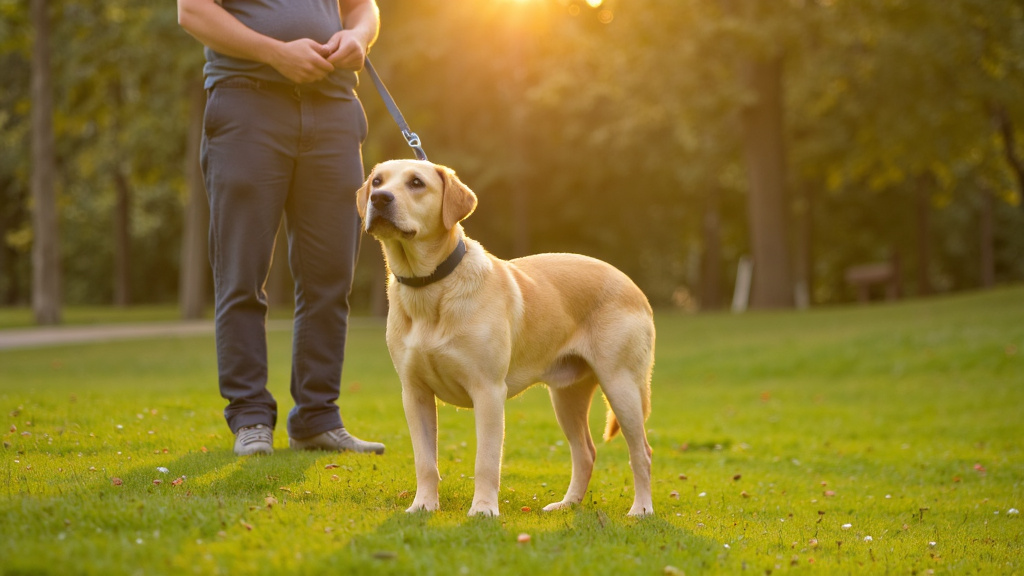
Living with a high-drive dog is a balancing act: one moment they are calm, the next they are frozen, muscles coiled, eyes locked on a squirrel. That frozen stare is prey drive – a natural instinct wired deep into your dog’s genetics, not a behavior problem to train away. You cannot delete an instinct, but you can absolutely manage it: by understanding the biology behind the chase and redirecting that energy, you can turn a chaotic chaser into a focused, happy companion. This guide shows you how to manage, redirect, and live well with a high prey drive – the humane way that actually works.
Can You Get Rid of a Dog’s Prey Drive?
No – you cannot train prey drive out of a dog, because it is a hardwired instinct, not a learned habit. But you can manage and redirect it so effectively that your dog becomes safe and reliable. The goal is not to eliminate the drive; it is to control when and how it is expressed, and to make listening to you more rewarding than chasing.
What Is Prey Drive? The Predatory Sequence
Prey drive is the instinctive urge to pursue and capture moving targets, expressed through a hardwired chain called the predatory sequence. It is not aggression – in wild canines this sequence is survival, and in domestic dogs selective breeding has amplified or muted specific steps. The full sequence runs:
- Orient – your dog notices the prey.
- Eye – they freeze and stare.
- Stalk – creeping toward the target.
- Chase – high-speed pursuit.
- Grab-bite – catching the prey.
- Kill-bite, dissect, and consume – the final stages, which most companion breeds have had bred almost entirely out of them.
Very few domestic dogs run the whole chain. Generations of selective breeding have shortened it in different places for different jobs, which is why one dog stares for hours and another goes straight to the grab. Knowing which part of this chain lights up your dog’s brain is the key to choosing the training games that will satisfy it.
“I always tell owners that a high-drive dog isn’t asking for less energy – they’re asking for the right kind. The predatory sequence isn’t one urge, it’s a chain, and your dog is not equally hungry for every link in it. A dog built to eye and chase gets very little out of a chew toy. A dog built to grab and dissect gets very little out of another lap around the yard. So when an outlet doesn’t seem to be working, the outlet usually isn’t wrong. It’s aimed at the wrong part of the chain. Watch what your dog does with something moving, and watch what they do once they have it. That tells you which link is going unmet, and that’s the one to feed.”
— Arianna Melendez Halo Trainer Expert (Dog Psychology & Behavior Modification)
Which Breeds Have the Highest Prey Drive?
Different breeds emphasize different parts of the predatory sequence, which is why prey drive looks so different from dog to dog. Border Collies are bred to eye, stalk, and chase but rarely grab. Terriers, including Jack Russells, may skip the stalk and go straight to the grab-and-shake. Scent hounds and many sporting breeds can stay in the orient and eye phase for miles, tracking without ever committing to the chase. Even popular family breeds carry it: Labradors have a moderate-to-high prey drive rooted in their retrieving heritage, and pit-bull-type dogs can have a strong drive that responds very well to structure and redirection. Recognizing your own dog’s signature lets you pick the right outlets – and it helps to understand the instincts behind escapes that every dog shares, whatever their breed.
How to Manage Prey Drive: Start by Preventing the Practice
The first step in managing prey drive is preventing your dog from rehearsing the chase. Every time a dog successfully chases a deer or a car, they get a powerful neurochemical rush that makes the behavior more likely next time. Until recall is reliable, a long line – a 15 to 30 foot lead – is essential: it gives your dog freedom to sniff and explore while preventing self-rewarding chases. The long line is not a permanent crutch but a temporary bridge between on-leash walking and off-leash freedom, built on a foundation of positive association rather than pressure.
The Best Activities and Games for High-Drive Dogs
The most effective way to manage prey drive is to channel it into structured games, not suppress it. Trying to bottle up a high-drive dog’s energy leads to frustration and destruction; giving it a safe outlet satisfies the instinct and builds impulse control at the same time. These are the best activities for a dog with high prey drive:
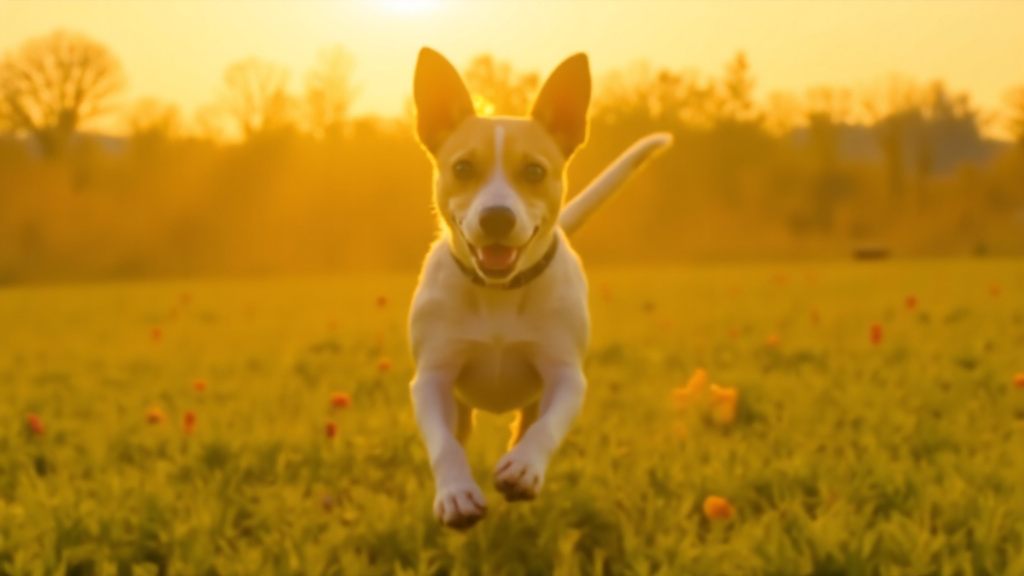
Flirt Pole: Channeling the Chase
A flirt pole – essentially a giant cat toy for dogs – is one of the best outlets for the chase instinct. It is an impulse-control exercise disguised as play: your dog must sit and wait before the lure moves, and drop the toy on cue to restart the game, learning that listening to you is what turns the chase on. Because it demands repeated sprinting, turning, and stopping, a short session is far more physically demanding than its length suggests – and it satisfies the urge to chase and grab where the prey is a toy, not a neighbor’s cat. Keep sessions brief and stop before your dog is exhausted, since the hard turns are strenuous on joints.
“Chase games are some of the best things you can give a high-drive dog, and they come with a piece most people skip: the come-down. A dog who has just sprinted, turned and grabbed is still running on the inside long after the toy has stopped moving. End the game there and send them straight into the house, and you haven’t satisfied the drive – you’ve turned it up and walked away from it. So build the finish into the game. Ask for something slow afterward, let them sniff, let them settle, give them the time to come back down before the day moves on. Satisfying an instinct isn’t only about the chase. It’s about how the chase ends.”
— Arianna Melendez Halo Trainer Expert (Dog Psychology & Behavior Modification)
The “Look at That” Game
The “Look at That” game changes how your dog feels about triggers. When your dog spots a squirrel, bike, or car, mark the moment with a “Yes!” and immediately feed a high-value treat. Over time they learn that seeing a trigger is a cue to look at you for a reward, not a cue to bolt – turning a chase trigger into a check-in.
Scent Work for Searchers
For nose-driven dogs, the “Find It” game is both exhausting and calming. Hide treats or a favorite toy in boxes, tall grass, or around the room. Searching engages the olfactory system, which is demanding work, so it tires a dog mentally in a way physical exercise alone cannot. If your dog takes to it, barn hunt is the organized version of the same instinct – a timed sport where dogs locate safely enclosed rats hidden in a straw maze.
Safe Destruction Outlets
Dogs driven to grab and dissect will shred furniture if they are bored, so give them something they are allowed to destroy. Cardboard boxes sealed with treats inside, or treat-dispensing toys like frozen Kongs, let a dog rip, tear, and lick – safely mimicking the dissect and consume stages of the predatory sequence.
Wait, Premack, and Everyday Impulse Control
Beyond games, everyday impulse-control cues teach your dog to think through arousal instead of reacting blindly. Practicing “Wait” at doorways, bowls, and the car teaches that pausing earns permission – a dog who waits for dinner is better equipped to pause when a rabbit darts across the path. The Premack principle (“Grandma’s Law”) puts this to work: ask for a simple “sit,” then reward it by releasing your dog to go sniff or chase a toy, making you the gateway to the fun.
| Activity | Drive satisfied | Benefit |
| Flirt pole | Stalk, chase, grab-bite | Intense exercise and impulse control |
| Scent work / Find It | Orient and eye | Mental exhaustion and calm focus |
| Shredding boxes | Dissect, consume | Safe outlet for destructive urges |
| Barn hunt | Orient, eye, stalk | Structured sport using hunting ability |
Recall for Dogs with High Prey Drive
For a high-drive dog, a rock-solid recall is the most important safety skill you can build – and the most fragile. A recall cue weakens fast if it is overused or used to end fun, so protect it carefully. Build it deliberately with a reliable recall, and guard it with two habits.
Never Poison the Cue
Never call your dog to you for something they dislike, like a bath, nail trim, or leaving the park. If you need to do something unpleasant, go to them instead. The recall word should only ever predict good things, so it stays reliable when a squirrel is involved.
Practice Check-Ins
Reward your dog for checking in with you on their own. When your dog glances back at you on a walk without being asked, praise them warmly. This builds a habit of staying connected, which makes a formal recall far easier when you truly need it.
Suppress vs. Redirect: Why Fighting Instinct Backfires
The core choice in managing prey drive is between suppressing the instinct and redirecting it – and suppression always loses. Bottling up the drive creates a frustrated, stressed dog whose instinct only builds pressure until it bursts out. Redirecting it – giving the chase a safe target and making you the source of the fun – satisfies your dog and earns you control. Working with the instinct, not against it, is the whole secret.
| Suppressing (backfires) | Redirecting (works) |
| Fights a natural instinct | Channels the instinct into safe games |
| Builds frustration and stress | Satisfies the urge and settles the dog |
| Works against your dog’s nature | Works with your dog’s nature |
Safe Boundaries While You Train: The Role of a GPS Fence
While you build impulse control and recall, a GPS fence adds a safety layer for a high-drive dog. Training a prey-driven dog takes months, and during that time you need a way to reduce the risk of a bolt after wildlife. A GPS fence lets you define safe boundaries anywhere, and Halo’s patented Direction-Based Feedback reads whether your dog is heading toward the boundary or already turning back, so the cue arrives early – while they are still orienting, before the chase takes over. Encouragement cues then confirm the turn, so coming back is what gets rewarded.
Be realistic about what any boundary can do once a dog is at full arousal. A dog already sprinting after a deer is the hardest case for every containment system ever built, which is exactly why the fence is one layer and your management is the other: keep the long line on until recall holds under real distraction, and treat the boundary as the backup rather than the plan. If your dog does cross, real-time tracking tells you where they went – though the live map updates over cellular, so in the kind of remote ground where deer live, the pin may lag until signal returns. The boundary itself does not depend on coverage: Halo fences are stored on the collar and enforced from it. The Halo Collar 5 buys you that margin while the training takes hold.
Frequently Asked Questions
Can you train prey drive out of a dog?
No – prey drive is an instinct, not a habit, so it cannot be removed; but it can be managed and redirected so reliably that your dog becomes safe and responsive.
Do Labradors have a high prey drive?
Labradors have a moderate-to-high prey drive rooted in their retrieving heritage, which channels well into fetch, scent work, and structured games.
Does neutering reduce prey drive?
Not meaningfully – neutering can reduce roaming and mating-driven behavior, but prey drive is a separate instinct that responds to training and redirection, not hormones.
At what age does prey drive start?
Prey drive often emerges in puppyhood and intensifies through adolescence, roughly 6 to 18 months, which is the ideal window to start channeling it into safe outlets.
Will a GPS fence stop a dog mid-chase?
Feedback works best before the chase starts, which is why direction detection matters: the cue arrives while your dog is orienting rather than sprinting. Once a high-drive dog is at full speed, no containment system is a guarantee – so keep the long line on until recall is proven. Real-time tracking is the backstop, with one caveat worth knowing: the live map needs cellular coverage, so in a remote area it may catch up rather than update instantly. Containment and feedback keep working on the collar either way.